

The National Archives of the United Kingdom stands as one of the world’s oldest and most prestigious repositories of information. Through an ambitious digitisation programme, it has unlocked centuries of historical records for a global audience. Read more at london1.one.
A History of Growth: Establishing The National Archives
In 2003, four UK government information management bodies began a merger to form a single entity. The Public Record Office, the Royal Commission on Historical Manuscripts, the Office of Public Sector Information, and His Majesty’s Stationery Office joined forces. The resulting National Archives, based in London, took on the mantle of collecting and securing the future of state records. The organisation pivoted towards the modern digital landscape to better manage and preserve government information.
In 2007, The National Archives launched ‘Your Archives,’ a wiki-style platform. This online portal allowed users to contribute to and expand upon archival materials. It empowered the community to provide granular detail and new insights into existing catalogues, research guides, and open-access documents.
In 2011, the Museums, Libraries and Archives Council appointed The National Archives to lead documentation oversight across England. During this period, the legacy search system was superseded by ‘Discovery,’ an online platform enabling users to search, view, and order digital copies. Its vast repository of over 37 million electronic records includes acts of parliament, government reports, military service records, court transcripts, census data, maps, and plans. Beyond the official platform, digitised documents are accessible via partner services such as Ancestry.com, Findmypast, and TheGenealogist.
In 2015, The National Archives embarked on a major refurbishment of its public spaces. To develop a long-term architectural vision, they partnered with the award-winning firm AOC. Initial phases saw the transformation of the café and the creation of new auditoriums and dedicated learning spaces. By 2022, construction began on the Clore Learning Centre, featuring a broadcast studio, production suite, and refreshed breakout areas for visitors.
Simultaneously, in 2019, the institution launched several cataloguing initiatives. These projects focused on digitising and providing access to vital historical documents spanning the 10th to the 20th centuries, covering military archives, legal cases, compensation claims, and government correspondence.
In 2023, The National Archives marked its 20th anniversary. This milestone launched a new four-year business plan focused on the pillars of collecting, connecting, and preserving. By strengthening partnerships, the professional team expanded archival access through tools like Lawmaker and Find Case Law. Plans were also set in motion to acquire new storage facilities to house growing collections. In 2024, Saul Nassé took over as the new Chief Executive and Keeper.
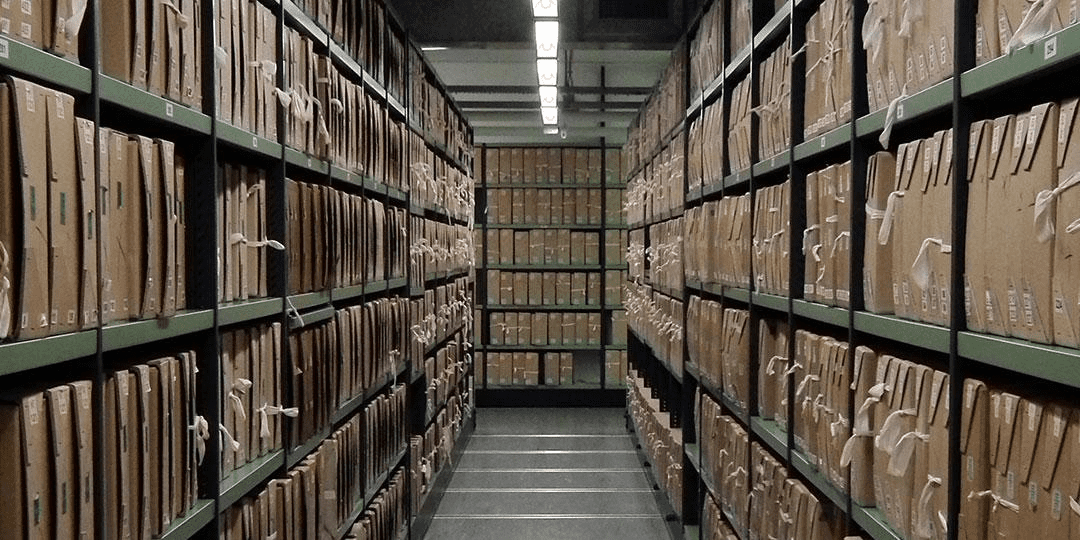
The National Archives
Heritage and Global Recognition
The National Archives preserves 11 million documents of immense cultural, academic, and historical value. Its collection boasts treasures such as the Domesday Book, the definitive version of Magna Carta, and the Treaty of Brétigny. The institution continues to pioneer education and mentorship for the next generation of archivists through programmes like the Capturing our Collections Art Competition, Workhouse Voices, and The Great Debate. Key figures in the current leadership team, including Emmajane Avery, Lucy Fletcher, and John Sheridan, have been instrumental in driving these collaborative efforts forward.
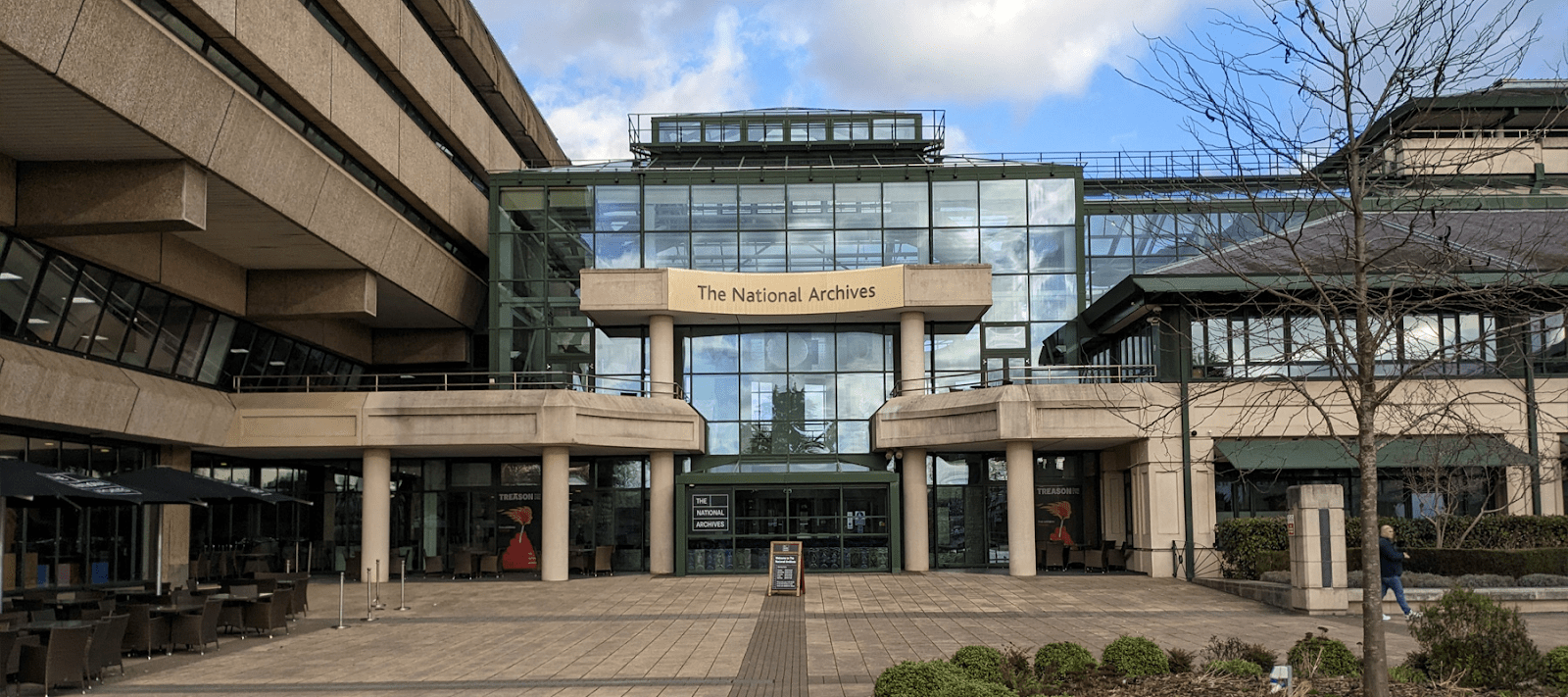
ianVisits