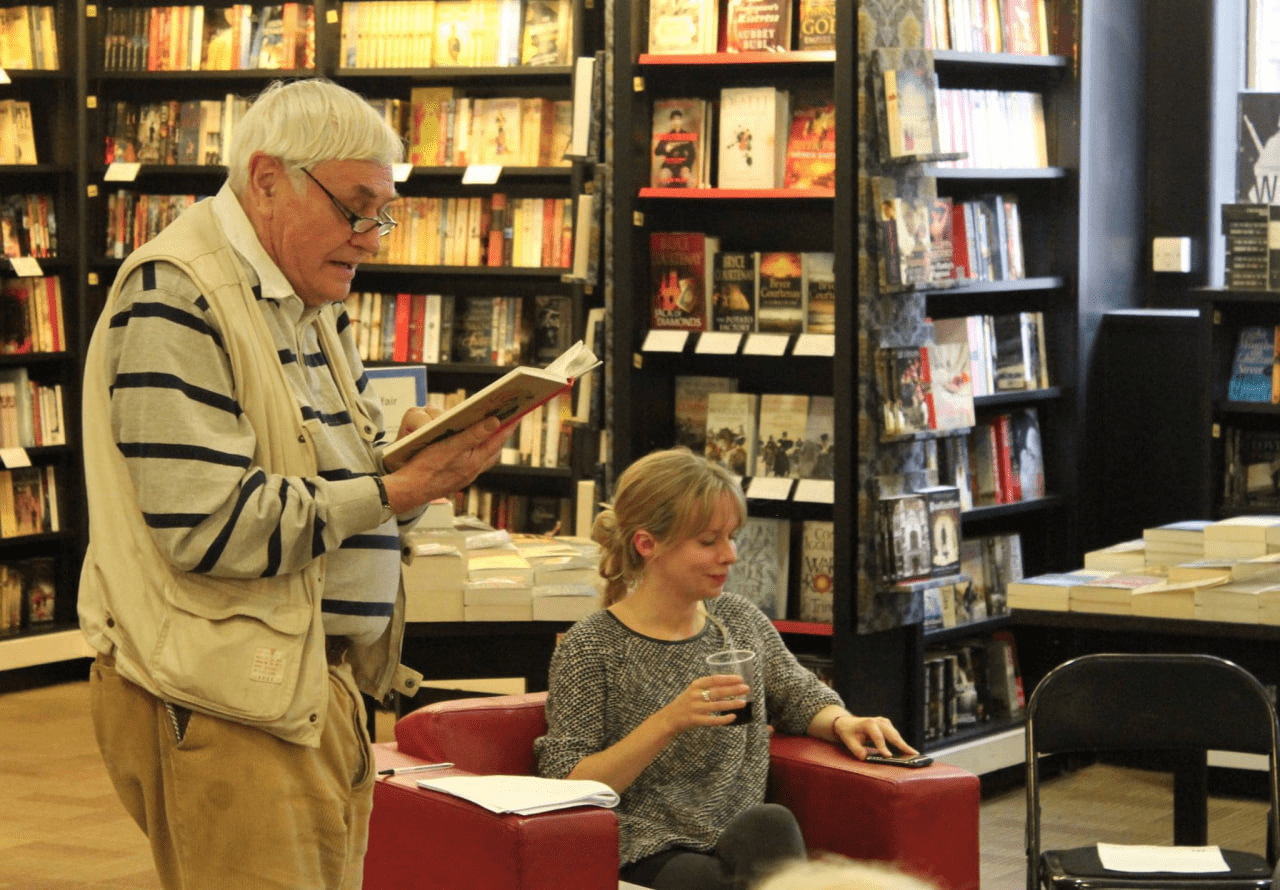
Poet in the City is often described as a poetry school without walls, seamlessly blending tradition with experiment. It has brilliantly transformed the verbal arts into a dynamic, shared cultural experience. Through its educational programmes, poetry events, and volunteer initiatives, the organisation cultivates a vibrant community where poetry becomes a universal language for creativity and empathy. Read more on london1.one.
The Genesis and Evolution of Poet in the City
The story of Poet in the City began in 1998 with Rosamund McCarthy, a young lawyer seeking emotional solace following personal turmoil. Working at the prestigious London firm Bates Wells Braithwaite, she found comfort in reading poetry. Rosamund soon teamed up with several organisations and began fundraising to encourage poets. Her colleagues quickly rallied behind the vision, offering both financial and moral support. This collective spirit sparked the idea to make poetry accessible to everyone – not just on stages, but in classrooms, offices, and the city’s streets.
Poet in the City officially launched on 25 February 1999 at a gala event in Clifford Chance, which drew nearly two hundred guests. The stage featured a diverse line-up: schoolchildren, the renowned poet and initiative patron Wendy Cope, and Colin Cavendish Jones, who presented a specially commissioned piece. The organisation’s early initiatives immediately captured the attention of the London community. Highlights included an evening dedicated to John Donne at St Paul’s Chapter House, a reading by Andrew Motion, the then Poet Laureate, and a poetic exchange at the Royal Exchange where a government Arts Minister, bankers, and schoolchildren all shared the same microphone.
In the early years, Poet in the City poets regularly visited schools in Tower Hamlets, Islington, and Bethnal Green. Children’s verses even adorned construction hoardings around the South Bank during the building of the Millennium Bridge. Parallel to this, ‘Drop-Ins’ were held, exploring themes like memory and nature, and, following the tragic events of 11 September 2001, the collective experience of pain through art. This period saw the introduction of poetic masterclasses, poetry slams, and even a unique course for lawyers on applying poetic thought to legal drafting.
In 2006, Graham Henderson took the helm. He severed the formal ties with the Poetry Society, paving the way for the organisation to gain its independence and officially become a standalone charity. Under his leadership, the community secured funding from Arts Council England and significant corporate sponsorship. Since then, it has staged dozens of poetry events annually in leading arts venues, theatres, and museums, as well as in the most unexpected places—from coffee shops and libraries to business centres.
April 2014 marked a new chapter with Isobel Colchester becoming the new Executive Director. Her vision injected fresh momentum and expansion. Beyond London, poetry evenings began taking place at the Royal Exchange Theatre and HOME in Manchester, where poetry intertwined with theatre, music, and social issues. 2016 was a landmark year, seeing the launch of two flagship projects that symbolised a new generation of creative approaches. The first, Poet in the City Producers, is an educational programme for 16-to-25-year-olds, teaching them how to organise cultural events, produce poetry performances, and work in the arts sector. The second is Poetry & Lyrics, an annual two-day festival at Kings Place that merges poetry with music, rhythm, and performance.
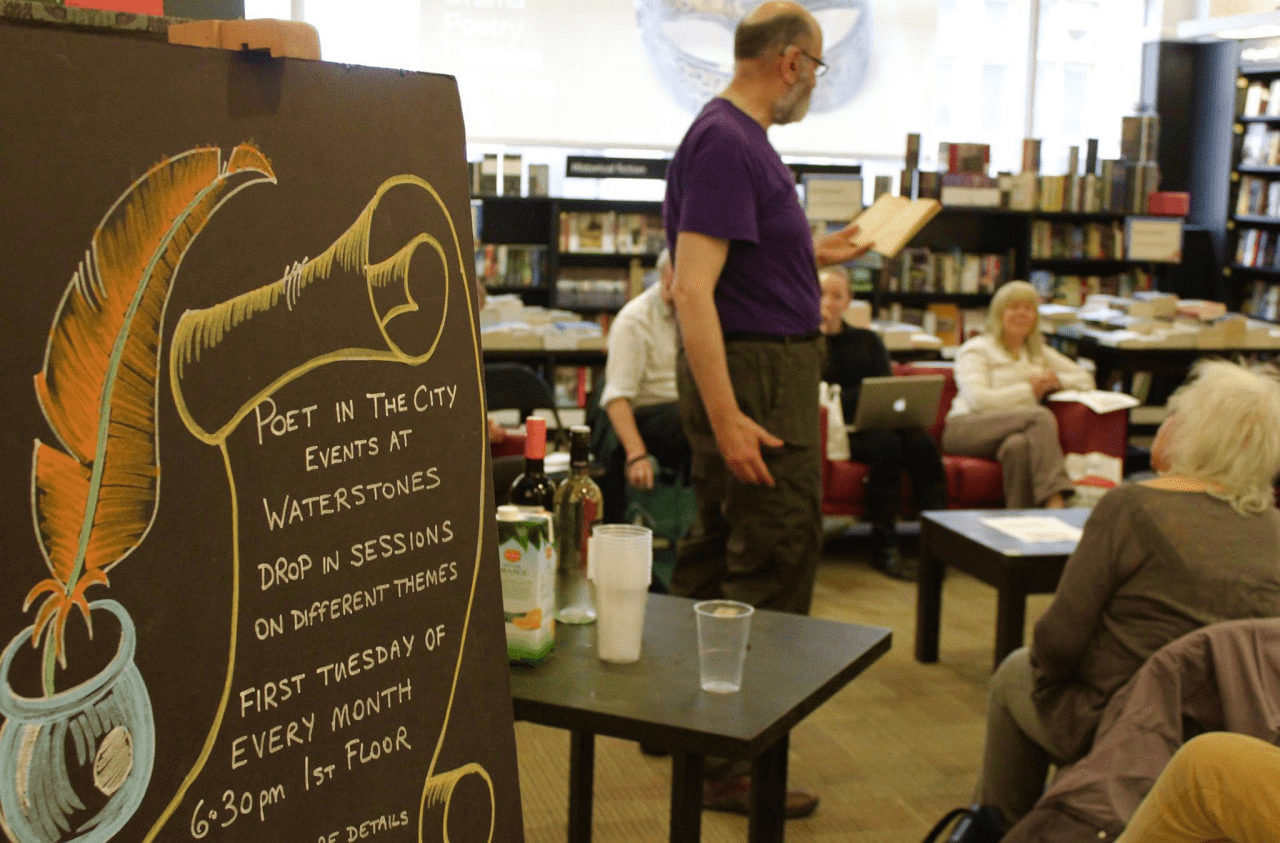
Recognising the Impact of Poet in the City
Poet in the City’s work has fundamentally changed the perception of poetry as an elitist art form, cementing its place as an integral part of urban life. It actively engages with audiences of all ages, backgrounds, and professions, drawing in pupils, students, artists, office workers, and even scientists. The community collaborates with major arts institutions—including the Barbican Centre, Kings Place, and the Royal Opera House—as well as with scientific, educational, and public organisations such as St Paul’s Cathedral, The Francis Crick Institute, and St Pancras International. These powerful partnerships allow poetry to permeate areas where it is least expected: into science, business, and transport.