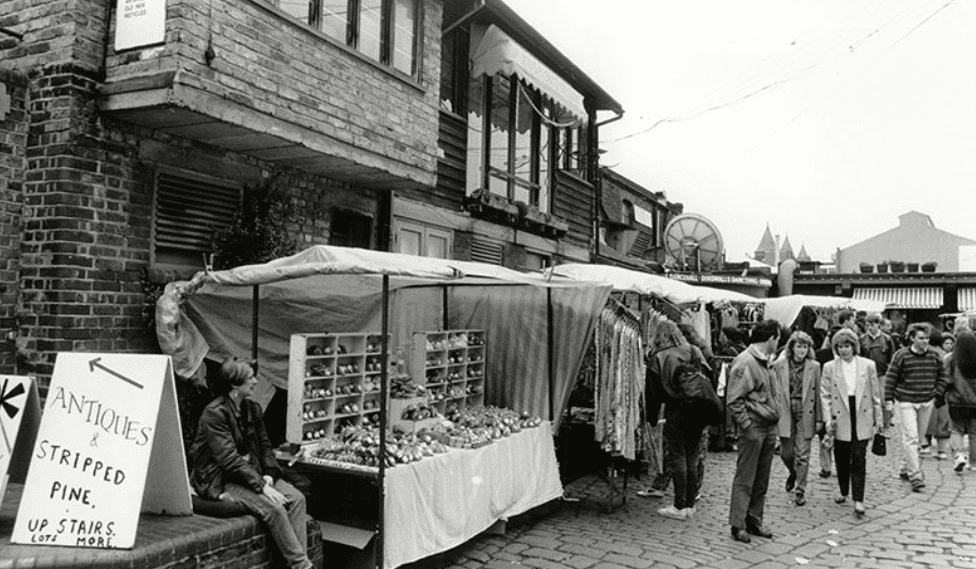
Located in the heart of London, Camden Town is a vibrant hub of culture, creativity, and alternative thinking. It was within these bounds that Camden Market first opened its doors. It has since become the embodiment of the capital’s bohemian spirit, a place where diverse subcultures, artistic movements, and lifestyles intertwine. Read more at london1.one.
The Origins and Evolution of Camden Market
Camden’s original market, dedicated to horses, was established in 1854 when the area was still predominantly rural. It quickly gained popularity among the general public, becoming a vital commercial centre. The site traded a wide range of goods: from horses and livestock to fresh fruit and vegetables. In this way, the bazaar served not only an economic function but a social one, acting as a meeting place for the local community.
By the early 20th century, Camden Market began to shift gears. The horse trade gave way to new forms of commerce, including flea markets, grocery stalls, and general goods markets. Camden started to attract attention from an increasingly broad spectrum of social and cultural backgrounds. Both locals and tourists alike began to visit, drawn in by the district’s unique atmosphere.
However, the true transformation occurred in 1974. A redeveloped area saw the arrival of modern stalls and retail units, significantly expanding the product range—from vintage clothing to exclusive, handmade jewellery. This era marked the dawn of Camden as a cultural and artistic stronghold. Concert venues sprang up in the area, hosting performances by both budding musicians and established stars.
The evolution of Camden Market continued into the early 1980s. Although it remained largely a working-class hub, it began to draw a more diverse crowd. This was driven by an influx of immigrants from across the globe, who enriched the atmosphere with their cultural traditions and culinary specialities. It was this multicultural melting pot that created the distinctive flair that became the market’s trademark.
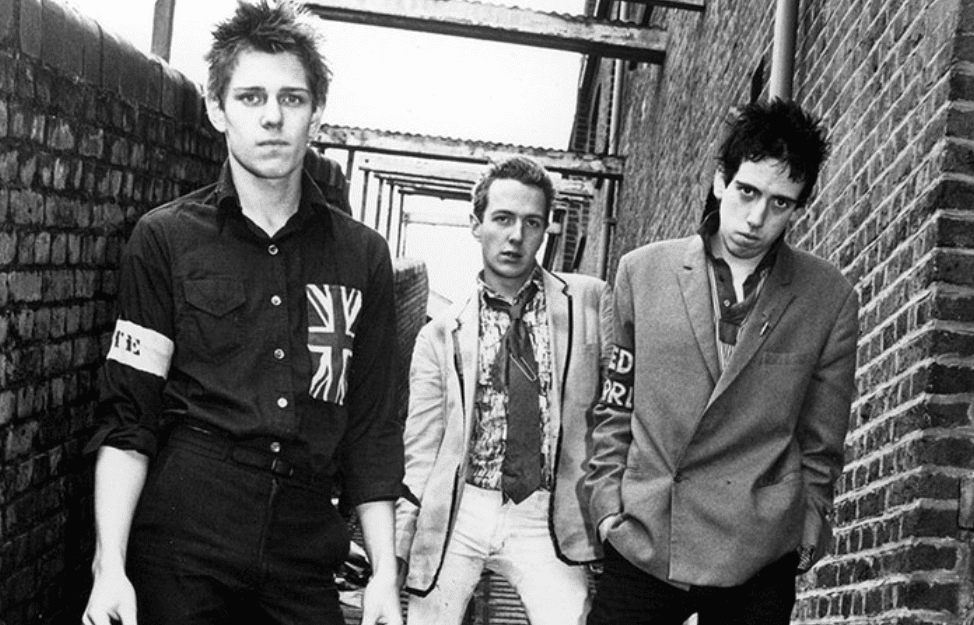
By the late 1980s, Camden Market was gaining traction among the youth and wealthier social strata. A key factor in this was the explosion of punk culture and the alternative music scene in London. Camden morphed into a magnet for fans of new movements, thanks to its eclectic mix of stalls, shops, and art spaces. It was the place to find extraordinary items that reflected the zeitgeist.
In the 1990s, Camden Market solidified its status as a world-class tourist attraction. It beckoned visitors from across the globe who were eager to experience the vibe of a multicultural and energetic London. Camden began to attract an even wider circle of visitors, including hipsters and trendsetters who found a space for self-expression and inspiration. Ultimately, this rich tapestry of visitors became the market’s defining characteristic.
Global Recognition and Cultural Significance
Today, Camden Market stands as one of London’s most visited landmarks, attracting millions of people from around the world every year. Its grounds host hundreds of stalls and shops offering everything from vintage apparel to designer handmade jewellery. Of particular note is the blend of global powerhouses, such as Dr. Martens and Levi’s, with original designer labels like Eine Kleine, English Eccentrics, and BodyMap. The market’s venues have also hosted iconic bands, including Pink Floyd, The Doors, The Clash, The Sex Pistols, and The Underworld.