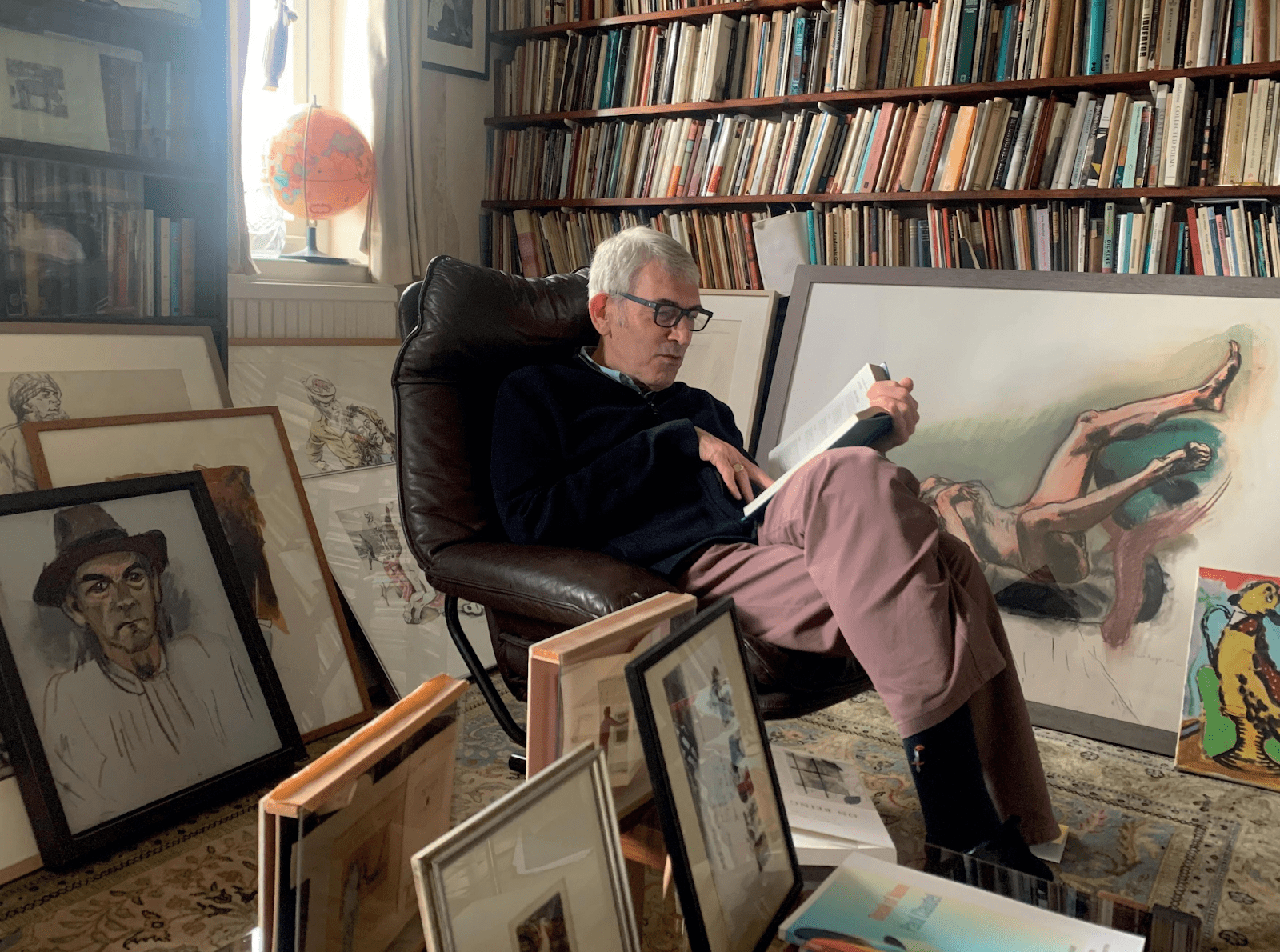
For decades, Anthony Rudolf has remained a quiet yet influential voice in British poetry. His work is a testament to a deep commitment, not just to writing, but to preserving, transmitting, and reimagining culture itself. Through his books, translations, and publishing ventures, Rudolf has helped to shape a new vision of literature as a dynamic space for dialogue. Read more on london1.one.
Anthony Rudolf’s Early Years and Poetic Journey
Anthony Rudolf was born in London on September 6, 1942. His father, who owned an accountancy firm, ran for the Labour Party multiple times, while his mother was an active helper in the local party branch. The family roots traced back to Jewish immigrants who arrived in Great Britain at the start of the 20th century. From 1953 to 1960, he attended the prestigious City of London School, where his classmates came from diverse social strata. Although Jewish boys were few, they supported one another, gathering for separate prayers after the general assemblies.
Between 1961 and 1964, Rudolf continued his education at Cambridge University, studying Modern Languages and Social Anthropology. This period sparked his interest in poetry and led him to begin translating verse. A pivotal moment came when a French poet he met asked if he had written any of his own work. When Rudolf replied he had not, an internal transformation took place. From that moment on, the student decided to dedicate himself to intellectual creativity.
After university, Anthony Rudolf tried numerous professions, but none felt like a true calling. He always maintained an inner drive for literature, sensing that this was his genuine mission. His first job was with the British Travel Association in Chicago. For six months, he travelled across the US Midwest, promoting his homeland to travel agents with slide shows. However, the pull of creative work was stronger, and he soon returned to England to dedicate himself entirely to literary pursuits.
In the 1970s, Rudolf had a young family and needed a steady job. This led him to work behind the scenes at the BBC World Service. The position provided financial security while leaving him enough time to lead a life immersed in literature. In 1969, he founded his own publishing house, Menard Press, which became an essential platform for contemporary British and international poetry. He acknowledged that literature rarely made serious money but considered the chance to work with texts of profound meaning to be the real reward. His finest work from the 1960s and 1970s was collected in After the Dream, published in 1980.
Ultimately, Menard Press became one of the few British publishers to systematically champion translated poetry. One of the central authors associated with Anthony Rudolf’s name is Yves Bonnefoy, one of the 20th century’s most outstanding French poets. Later, in 1985, a new collection, Things Dying Things Newborn, was released; although it contained updated versions of some poems, it stood as a self-contained work rather than a simple reissue. In 1994 and 1999, Rudolf published new translations of Yves Bonnefoy, demonstrating the evolution of his own style and a deeper understanding of the author’s poetic voice.
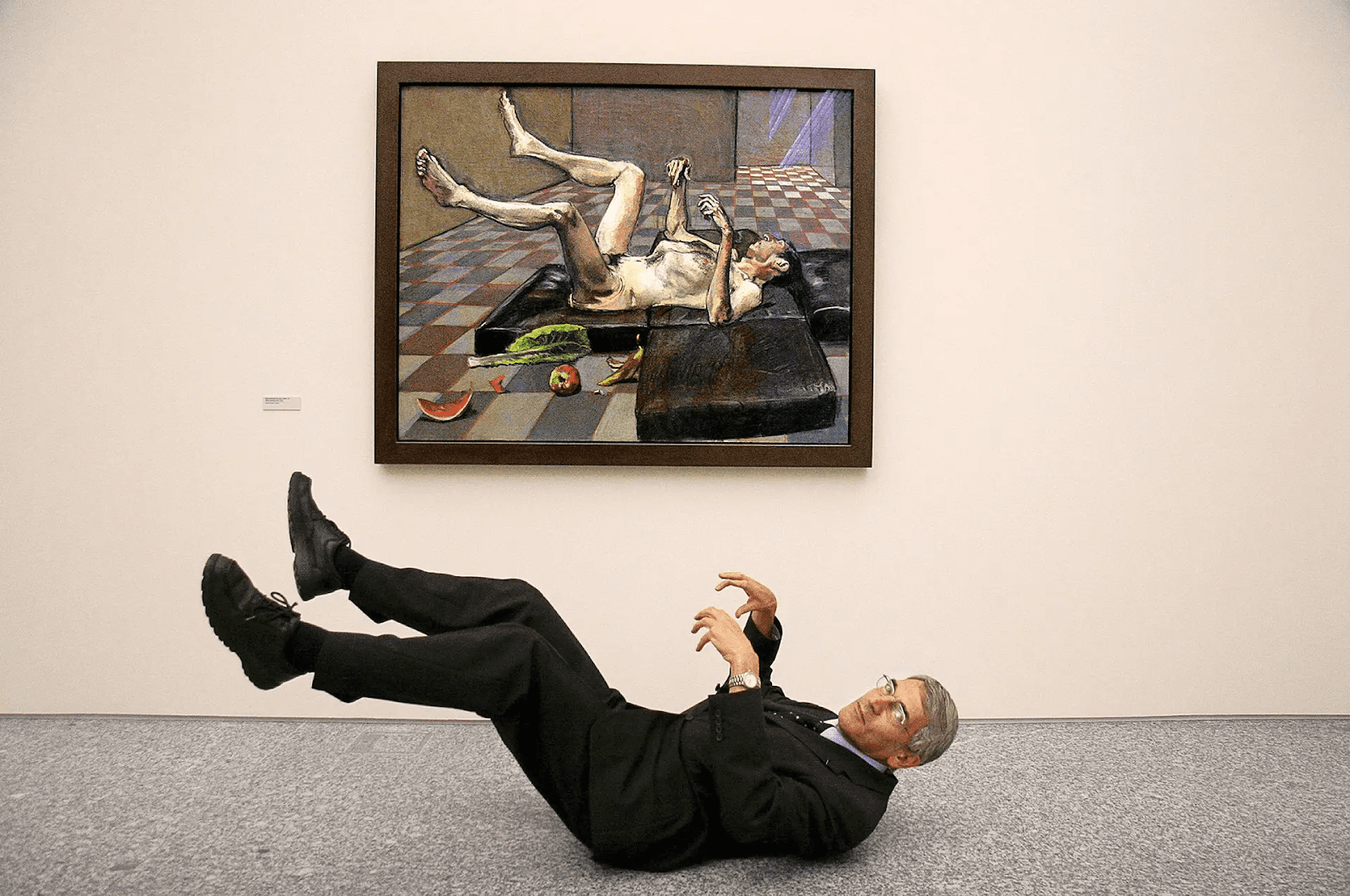
Recognition and Significance of Anthony Rudolf’s Creative Work
Anthony Rudolf’s contribution to British and European literature is difficult to overstate. Over his creative life, he has authored more than 30 books, among which Arithmetic of Memory holds a special place, blending childhood memories from the 1950s with philosophical reflections on the nature of memory itself. He has also appeared on radio and television, published obituaries in The Independent, and contributed reviews to the Times Literary Supplement (TLS). Furthermore, he shared his knowledge as a visiting lecturer at London Metropolitan University. His lectures and poetry readings have been held at numerous universities, cultural centres, and festivals around the world.