

Jeffrey Bernard, an English journalist, immortalised the beauty and absurdity of the Soho nightlife. He forever remained the embodiment of the bohemian spirit of this London district, enlivening its criminal world. Learn more at london1.one.
X.com
Early years and chaotic life
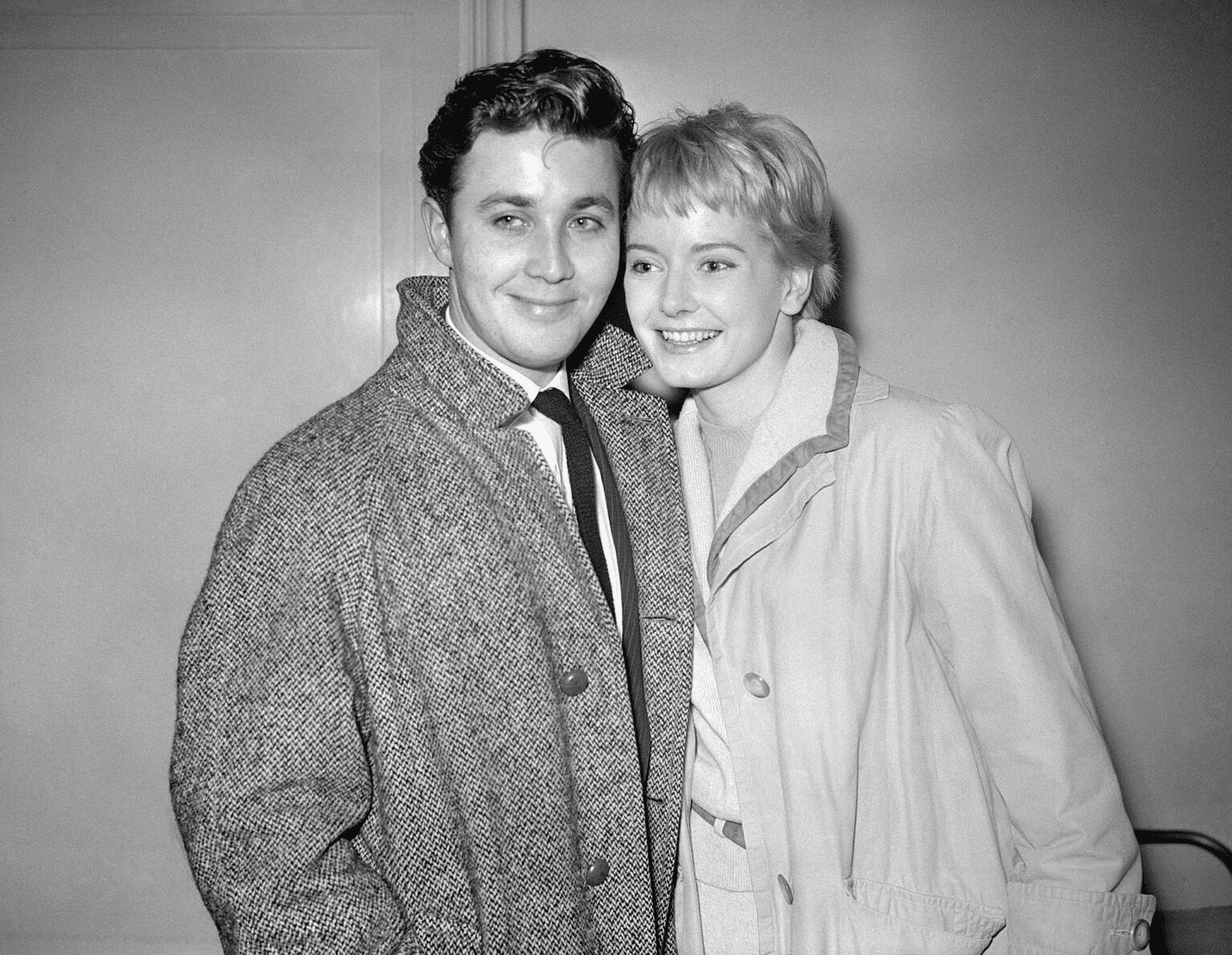
Jeffrey Bernard was born in the family of architect Oliver Percy Bernard and opera singer Edith Dora Hodges in London on May 27, 1932. He entered Pangbourne College and studied there for two years. During that period, he and his brother became fascinated by the prestigious life of the Soho and Fitzrovia districts. Later, his parents received complaints from the college administration about their youngest son’s behaviour. After that, Jeffrey served for some time in the British army but deserted.
At the age of 16, Jeffrey Bernard fulfilled his dream of moving from Hampstead to Soho. Despite his family’s social status, Jeffrey tried himself as a dishwasher, a builder and a miner. In 1962, the man and his friend Frank Norman joined forces to create a collection of texts and photographs about city life called Soho Night and Day. They received £100 for it, but Jeffrey Bernard lost his money at roulette.
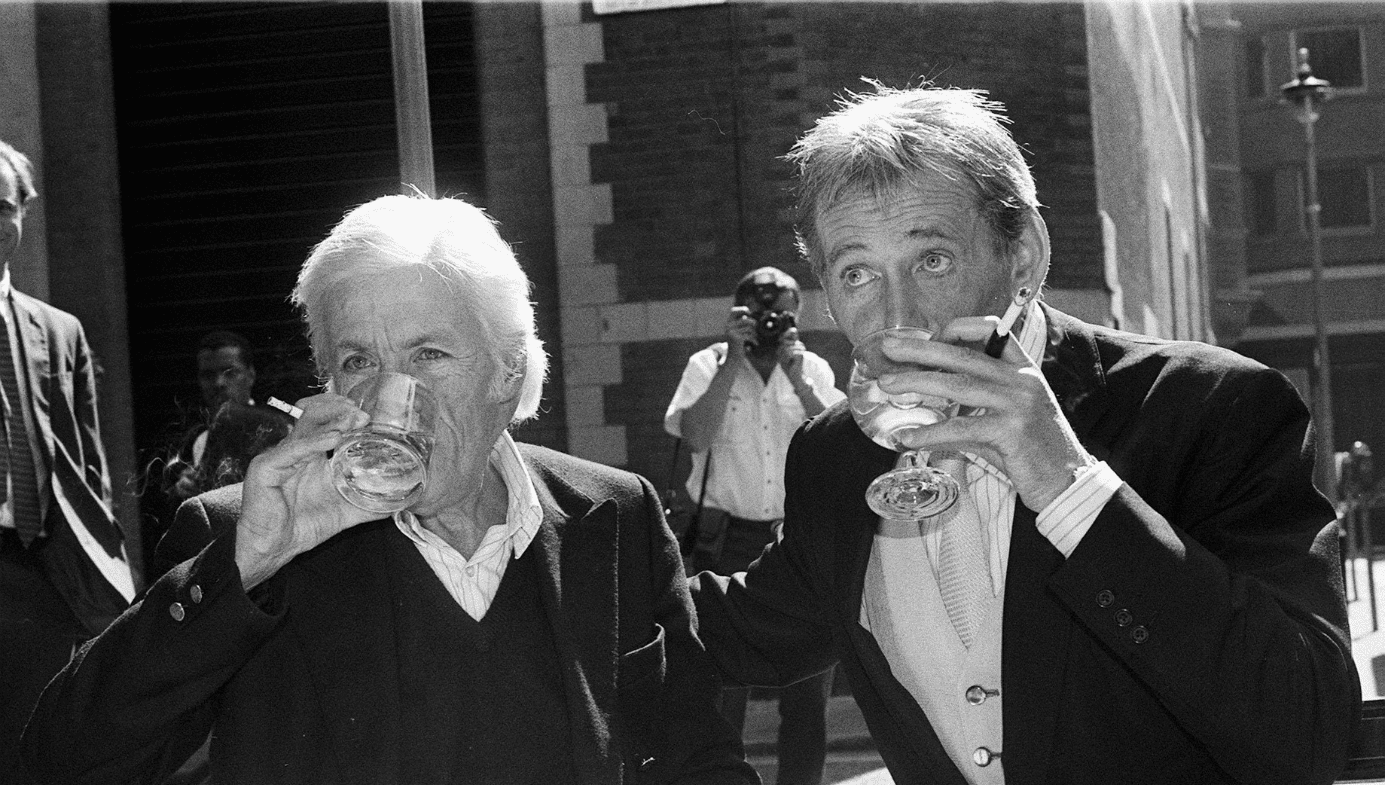
During that period, he became famous as a regular visitor to such local pubs and clubs as The Coach and Horses, The Colony Room and The French House. Taking advantage of the new opportunities, Jeffrey Bernard turned to journalism in 1964. First, he covered current racing events in the Queen magazine and then in the satirical Private Eye magazine. In 1970, the gained experience allowed him to become a columnist for the Sporting Life newspaper.
In 1975, Jeffrey Bernard began to write a Low Life column in the world’s oldest magazine, The Spectator, to contrast Taki Theodoracopulos’ High Life column. There, he vividly described the colourful but harsh environment of his existence. His unique style quickly attracted the attention of the general public, who could immerse themselves in the turbulent life of Soho from the perspective of a provocative journalist. Although the author’s drunk stories, interspersed with anecdotes, formed a regular audience, they were published irregularly due to Jeffrey’s deteriorating health.
In the 1970s, Jeffrey Bernard remained sober for two years but turned to the bottle again. In 1980, he divorced his last, fourth wife, Susan Ashley Gluck, who also suffered from his drinking, gambling, violence and infidelity. In addition, the man was popular with wealthy older women, who willingly offered him gifts and loans. It was rumoured that he was also financially supported by elderly men too. Having regularly accepted bets on races, the man was accused of bookmaking in 1986. His health problems resulted in the development of pancreatitis and diabetes, leading to the amputation of his leg. Jeffrey Bernard passed away as a result of kidney failure after refusing further treatment in Soho on September 4, 1997.
Quillette
Significance and results of Jeffrey Bernard’s activities
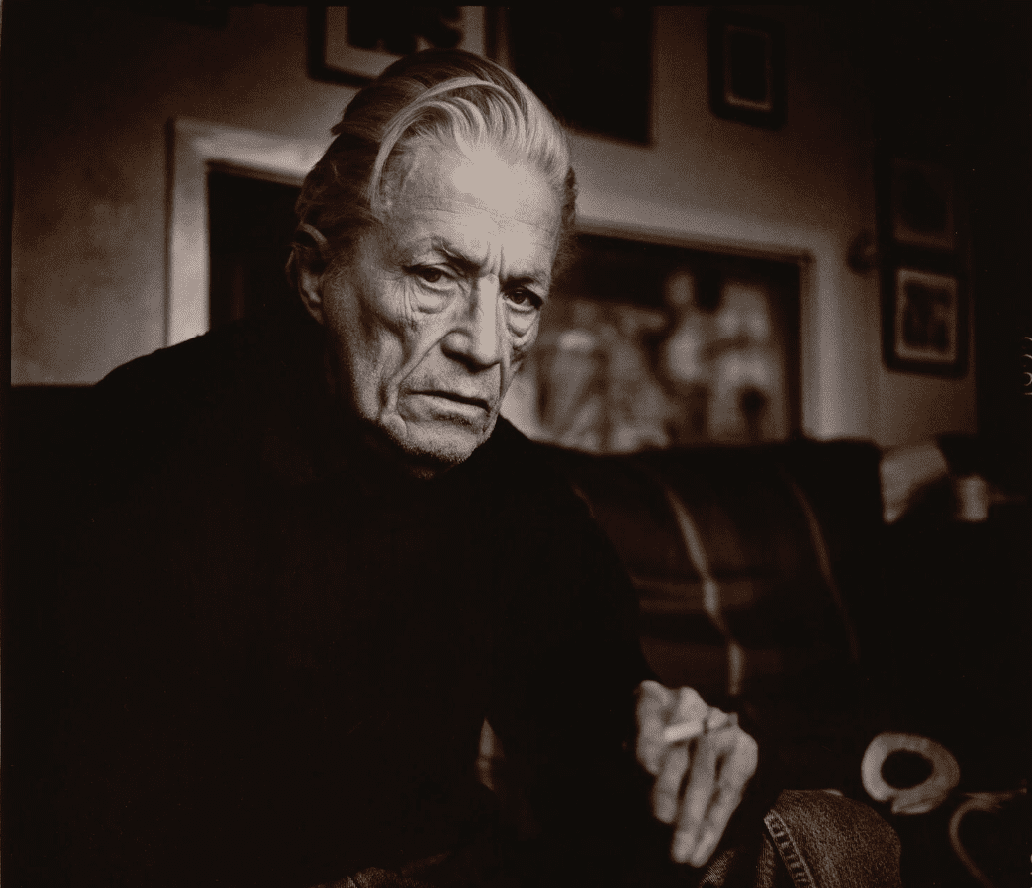
Jeffrey Bernard’s turbulent life left an unforgettable mark on London’s cultural environment. He turned his leisure time as a drunkard, gambler and womaniser into a fascinating spectacle for the public waiting for his journalistic materials. Jeffrey Bernard remained in the memory of not only his readers but also of his famous comrades, including Francis Bacon, Tom Baker, John Deakin, Lucian Freud, Daniel Farson and others.
National Portrait Gallery