

Often considered the true heart of London’s aviation, Heathrow Airport is the UK’s busiest airport, boasting four terminals, two runways, and 115 boarding gates. Located just 14 miles west of Central London, it operates around the clock, catering to millions of passengers.
Hundreds of planes take off and land at a blistering pace, carrying passengers to every corner of the globe. With demand for air travel growing daily, this aviation giant never stops, and its seamless operation is truly a marvel. Read more on london1.one.
A Rich and Storied History
Heathrow Airport has a long and fascinating history. Its development was preceded by Northolt Aerodrome, which was located to the north of the current airport and used for testing and assembling aircraft. To the south, Hounslow Heath Aerodrome served as London’s main airport from 1917 to 1919, and was the only one handling international flights at the time. The beginnings of the modern-day Heathrow trace back to 1929, when it was established as the “Great West Aerodrome,” a private airfield near the village of Heathrow, a rural area consisting of market gardens, orchards, and farms.
The transformation of this area into a larger airport began in 1944. The site was requisitioned by the Air Ministry to build a major transport base for the Royal Air Force. However, before construction was complete, the war ended, paving the way for a massive expansion of civilian aviation.
London’s booming population created a need for a large, modern airport, and the partially constructed site at Heathrow proved ideal. One runway was already ready for use. In 1946, the Ministry of Civil Aviation took control of the site, setting up a temporary canvas terminal and marking a new chapter in the airport’s history.
Construction of three runways was finished by 1947, and work on others continued. By the early 1950s, a permanent building replaced the makeshift tented terminal.
Daily Operations
As air traffic grew, the airport faced a continuous increase in demand for passenger services. In 1955, the Queen officially opened a new building (Terminal 2) and a tunnel that provided main road access to Heathrow’s central area. A new terminal, “Oceanic,” was later built to serve long-haul carriers. This function is now performed by Terminal 3, which was followed by the opening of Terminal 1 in 1968.
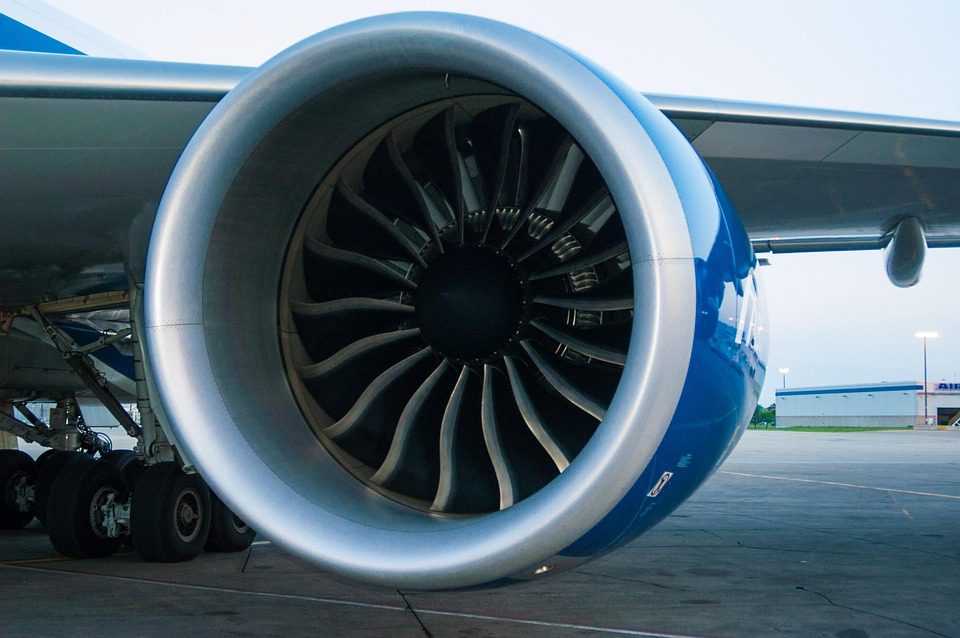
The day-to-day operation of Heathrow Airport is more than just planes and clouds; it’s a complex machine that runs 24/7. In 2022, the airport handled 1.4 million tonnes of cargo, making it the UK’s largest port by value. It processes over 470,000 flights a year. Air traffic is carefully managed to account for snow, fog, and rain, with special plans like the “Heathrow Snow Plan” put into action when needed. Landings and take-offs follow specific flight paths, and night flights are restricted to minimise noise for nearby residents. Today, Heathrow also has excellent road and rail connections to London and the rest of the country.
The airport currently has five terminals, although only four are in use (Terminal 1 closed in 2015). On an average day, there are approximately 1,400 flights, with a plane taking off or landing every 45 seconds. The company responsible for the airport’s air traffic control services, NATS (National Air Traffic Services), is located in an 87-metre tower near Terminal 3. Their controllers manage the movement of every single aircraft. In a lab at the base of the NATS tower, a high-tech digital solution is being tested. It uses artificial intelligence (AI) to reduce delays and minimise various risks. Heathrow is the first UK airport to use this AI software, known as “Aimee.”
Expansion Plans
As of 2024, Heathrow employs around 75,000 people, making it one of the UK’s largest single-site employers. With passenger numbers continuing to grow each year, plans for expansion, including a third runway, are still being discussed. Despite legal and political challenges, the construction of this runway was approved in 2019, with a planned completion date of 2026. However, as of 2024, work has not yet begun. The project faces delays due to financial issues, environmental protests, and local opposition.
It’s worth noting that environmental challenges are a priority for Heathrow. The airport has implemented its “Heathrow 2.0” strategy, which aims to reduce CO2 emissions. The management is committed to integrating eco-friendly initiatives into most of its operations to minimise its environmental impact.
In conclusion, London’s airspace is one of the busiest and most complex in the world. Heathrow Airport is a sophisticated system where modern technology and safety are combined to ensure the seamless movement of millions of passengers and tonnes of cargo. Its operation not only supports the UK economy but also handles an incredible volume of traffic. The history of its work demonstrates how people have used innovative technology to create a precise and finely tuned global system.
Used sources:
- https://www.thetimes.com/travel/advice/my-day-with-heathrows-air-traffic-control-and-how-its-all-about-to-change-crs2cb2r2?utm_source=chatgpt.com®ion=global
- https://www.heathrow-airport-guide.co.uk/history.html
- https://www.britannica.com/technology/air-traffic-control
- https://www.londonmuseum.org.uk/collections/london-stories/history-londons-heathrow-airport/
- https://loveair.co.uk/heathrow-airport/