

London, a global hub for business, culture, and tourism, continues to reign as one of the most attractive markets for the hotel industry. The sheer volume of travellers visiting the city grows year on year, driving the hospitality sector’s expansion. Despite economic headwinds, London’s hotel scene thrives, thanks to innovative development strategies and a burgeoning luxury segment. For centuries, cultural and social shifts have shaped London’s image as a welcoming city for globetrotters, business magnates, and influential figures alike. For more, head over to london1.one.
A Storied Past: The History of London’s Hotels
The history of hotels stretches back an astonishing distance, with roots in the 6th century BC, when the very first establishments began to emerge in the City of London and its surrounding areas. In the Middle Ages, inns served pilgrims and merchants, providing essential lodging and fresh horses for postal coaches, alongside food and a place to rest for weary travellers. However, the true boom in the hotel industry began during Victorian Britain, when the railways connected London to the farthest reaches of the country. In 1812, “Mivart’s Hotel” (now Claridge’s) opened its doors, followed by other grand establishments. Notably, “The Langham London” opened in 1865, becoming Europe’s first hotel with a lift and London’s largest at the time. By 1889, “The Savoy Hotel” made history as the first hotel in London with electric lighting and running water.
Gradually, the number of more traditional hotels began to proliferate. The railways brought an influx of visitors to the city, leading railway companies to take on the responsibility of accommodating passengers by constructing a series of “railway hotels” near their London terminals. These magnificent buildings quickly became symbols of status. Prime examples include “The Great Western,” the grand “Midland Grand Hotel,” “The Great Northern,” “The Great Eastern,” “Charing Cross Hotel,” “Grosvenor House Hotel,” and the splendid “Great Central Hotel” in Marylebone.
Many hotels were built in London during the Victorian era. “The Westminster Palace Hotel,” opened in 1858, was aptly named after its illustrious neighbour. During the Second World War, hotel construction in London slowed considerably. Perhaps the most notable development of that period was “The London Hilton,” a somewhat controversial concrete tower overlooking Hyde Park. From the 1980s onwards, a new wave of smaller guesthouses emerged, followed by the gradual opening of various types of hotels and hotel chains.
Booming Growth
While no official register of hotel rooms exists in London, the estimated number in 2010 was a staggering 123,000. A pivotal moment for the city was its hosting of the 2012 Olympic Games, which spurred a rapid increase in budget hotels and specialised budget chains as London prepared to welcome visitors from around the globe. Hotels experienced furious growth, hosting international conferences, fashionable events, and crucial business forums. By February 2015, London was even declared the most expensive city in Europe for hotel rooms, based on advertised prices.
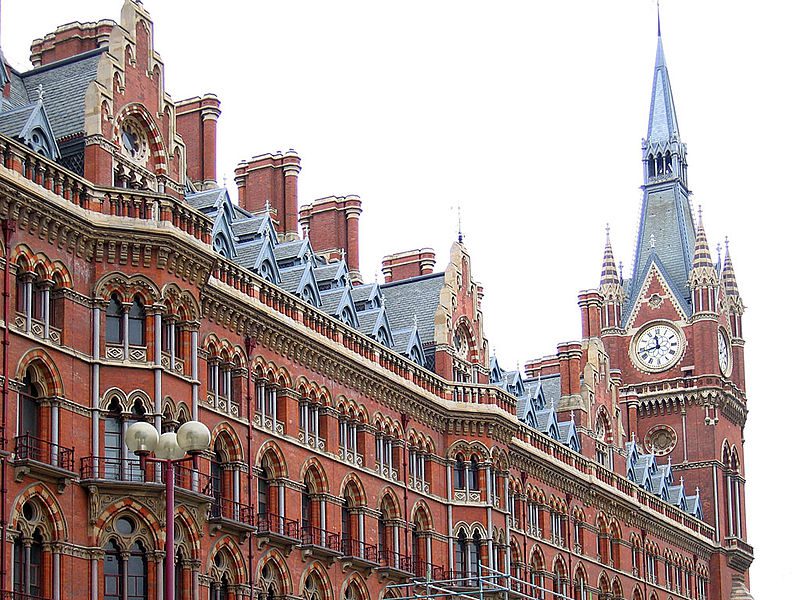
A key contemporary trend is the expansion of the luxury hotel segment. New openings, such as “The Peninsula” and “Raffles London,” are further solidifying the city’s position as a premium hospitality hub. It’s worth noting that various investors are drawn to hotel development in London due to the sector’s high profitability.
The COVID-19 pandemic presented a particularly challenging period for hotels. The tourist accommodation industry suffered immensely, enduring a staggering 62% reduction in spending. With global lockdowns in place, travellers all but vanished, and thousands of jobs were, regrettably, lost. However, it was during this very period that new technologies emerged, including contactless service, online check-ins, and automated processes, paving the way for a more resilient future.
New Opportunities
London’s hospitality sector is a crucial component in supporting the metropolis’s rich cultural diversity. It’s not merely about providing accommodation for international guests, but also about fostering entrepreneurial activity and creating employment opportunities. London boasts over 1,500 hotels and more than 160,000 hotel beds, ranging from budget-friendly hostels to opulent five-star establishments. These are typically categorised as “Luxury hotels,” “Business-class,” “Budget hotels,” and “Boutique hotels.” Furthermore, aparthotels and premium hostels are steadily gaining popularity.
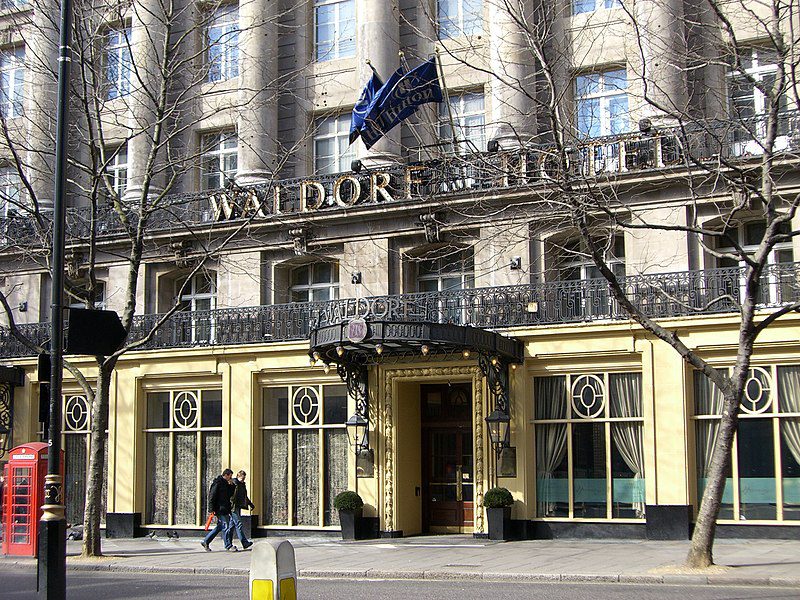
The internet has also profoundly impacted the development of London’s hotel industry. Online access offers people an enormous choice of hotels to book in the city, all from the comfort of their own homes. Guests can effortlessly compare prices, reserve a room, make payments, or even cancel without charge. London’s hotels have fully embraced digitalisation, unlocking a wealth of opportunities for both tourists and industry professionals. Hotels are actively investing in technology, personalisation, and sustainability, constantly seeking innovative ways to attract and delight guests. For their part, tourists are increasingly looking for flexibility, attractive pricing, and unparalleled comfort.
In conclusion, the growth of London’s hotel industry has a long and impressive trajectory. Despite various challenges and hurdles, the demand for both luxury and mid-range hotels continues to soar. Increased investor activity further strengthens the metropolis’s standing as a global leader in hospitality, a testament to the enduring allure of this magnificent city.
Sources: