

London always smells of fresh baking, offered from every shelf and café. Aromatic coffee, sweet buns, or a cupcake—all this and much more can be sampled in the city’s most famous bakeries.
However, in the heart of Notting Hill, on Blenheim Crescent, there is a business catering to true gourmets of both books and treats. We are talking about the “Books for Cooks” bookshop, where they not only sell culinary tomes but also serve freshly baked goods with fragrant coffee. More details at london1.one.
The Story Behind the Concept
“Books for Cooks” was founded by Heidi Lascelles in 1983. At the time, the business idea was met with scepticism, and its potential for success looked slim. Jokes about British cuisine were prevalent worldwide, and London wasn’t exactly the most attractive location for a cookbook shop. Heidi was neither a professional chef nor a bookseller, but while working as a nurse, she was struck by the importance of good, tasty food. Her only experience was seeing firsthand how few good culinary books were available in the city’s stores. This inspired her to open a shop with a unique concept: one that would eventually not just sell books, but also put the recipes to the taste test. The initial idea was to build a large stock of cookbooks from around the world and then ship them to customers.
Due to the large volume of books and expansion, the store moved to new locations twice, and at the last one they implemented a new idea – a test kitchen, where she hoped to be able to prepare recipes from the cookbooks on the shelves.
Heidi hoped to use this kitchen to cook recipes from the cookbooks on the shelves. This test kitchen became the venue’s true highlight and the secret to its success.
A Business Built on Culinary Traditions
Annie Bell, who would later become a renowned culinary writer, worked at the shop. Her dishes attracted fans of delicious snacks, including Clarissa Dickson Wright. Clarissa, who was incredibly knowledgeable about food and cookery, worked with great inspiration and was one of the early chefs at the shop for a period. Clarissa left Books for Cooks in 1994. Years later, Rosie Kindersley was working there, and Eric Truil, her partner, was running the kitchen, and he started a new workshop program.
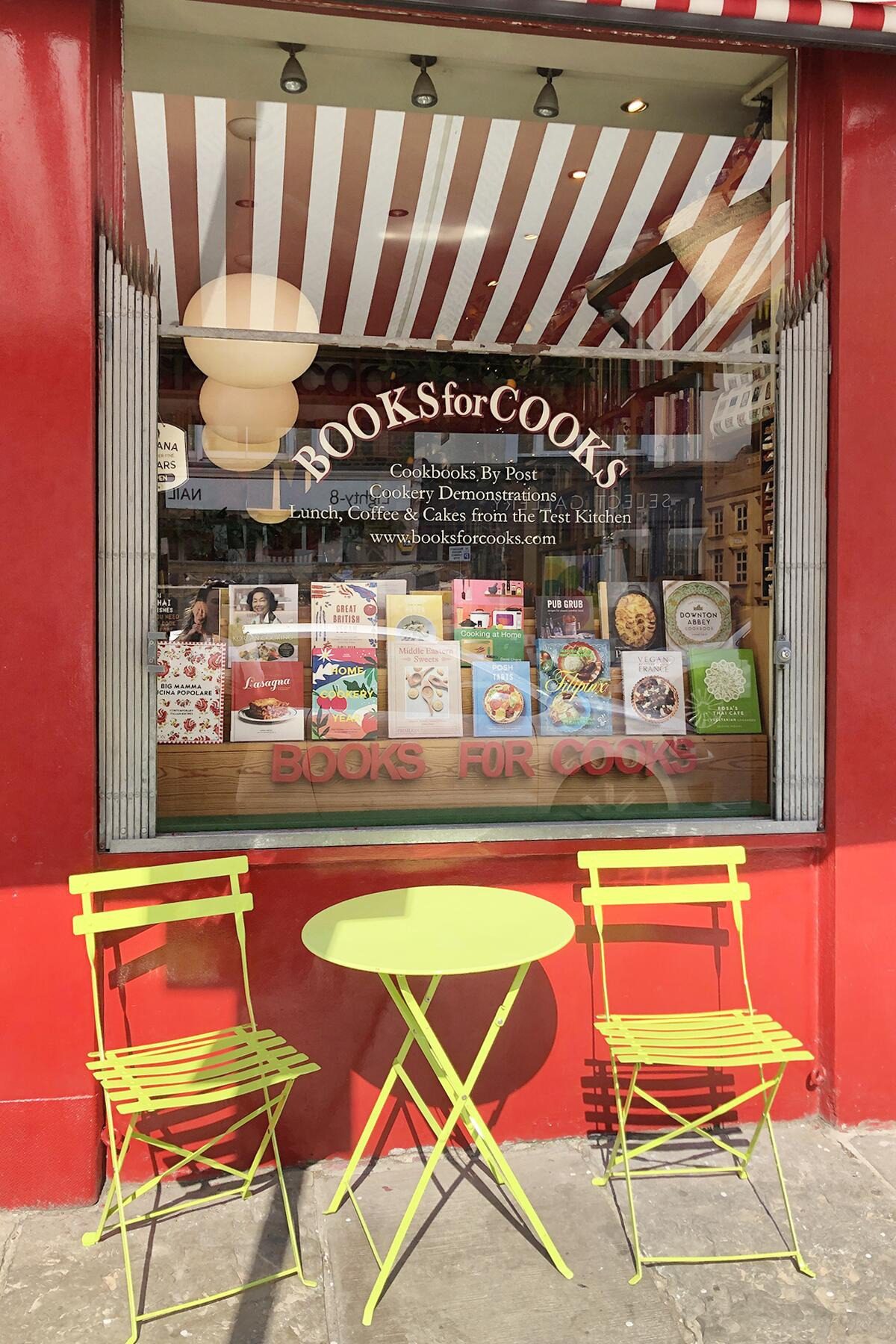
In 2001, Heidi retired and moved to Tuscany, and the business passed to Rosie Kindersley and Eric Treuille. They continue to manage the bookshop today, championing experimental projects and a love for books and food.
This business model is quite fascinating, as “Books for Cooks” features over 8,000 titles, including gastronomic memoirs, history, nutrition, biographies, art, sociology, chemistry, and a huge number of cookbooks with recipes from all over the globe. The small, tiny test kitchen is the shop’s genuine star, as every day, customers can enjoy delicious lunches, homemade cakes, and aromatic coffee at tables nestled between the book-laden shelves. The test kitchen is a genuine kitchen laboratory, where chefs try out unusual dishes and experiment with food, implementing new recipes. The menu changes daily, depending on the produce available at Portobello Market. Trying out recipes from the books on the shelves determines the ‘dish of the day’.
Over the years, the shop’s management asked customers to compile their own cookbook of the test kitchen’s most popular recipes. Eric and Rosie began carefully selecting recipes that had received rave reviews from customers and chefs. The first book in the culinary series was published in 1995. The books take the form of a collection of about 75 eclectic and original recipes.
Inspiring Others
“Books for Cooks” is not just a shop; it’s a space that inspires other similar business models. The venue attracts both tourists and local residents, totalling around 1,000 visitors a week. This healthy competition encourages neighbouring businesses to improve their own service. The shop also hosts book-related events with food tastings, which attracts authors and generates income for everyone involved. Furthermore, it creates new jobs and supports seasonal and local food producers.
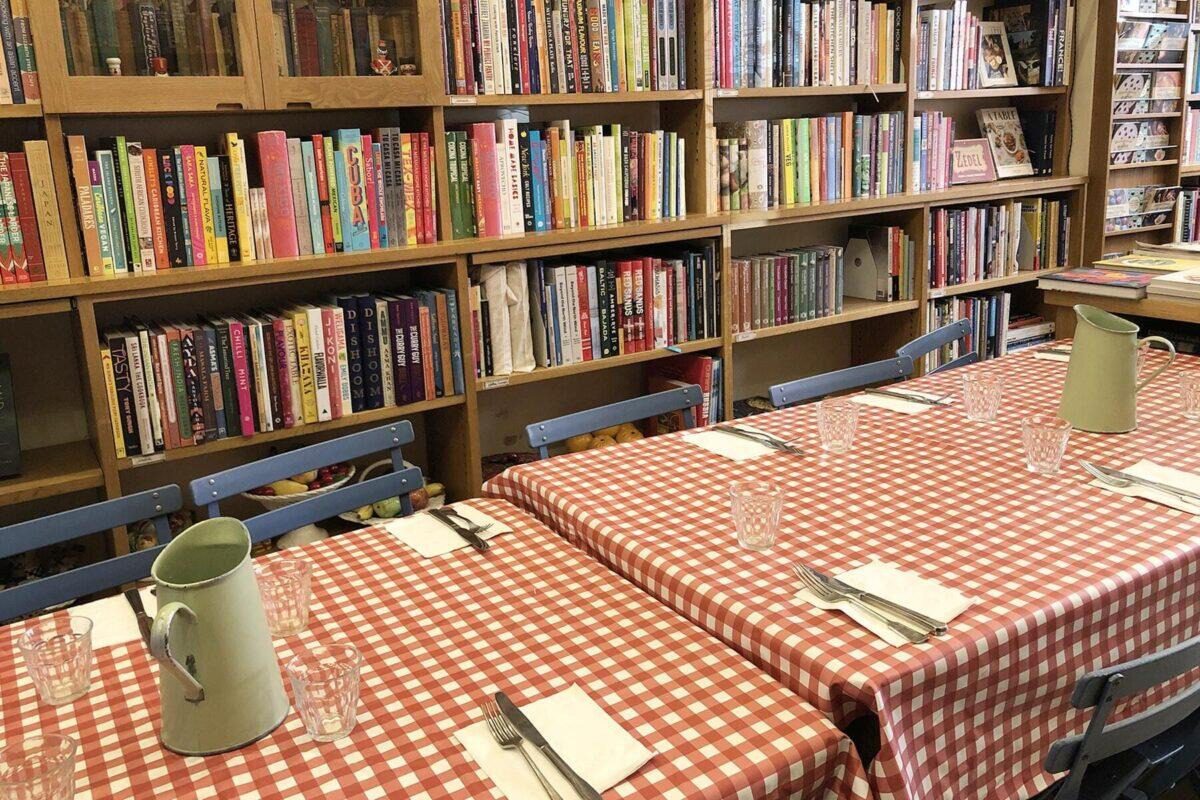
However, like any London business, “Books for Cooks” faces certain challenges. One is the prohibitively expensive rent in the Notting Hill area, which impacts overhead costs. There is also significant competition from online bookshops, where books can be bought cheaper and delivered straight to the door. Despite these challenges, the bookshop’s intriguing concept continues to attract people.
In conclusion, this bookshop is more than just a business focused on cookery and sales; it represents a new direction in London’s culinary culture. The shop has successfully combined books with delicious new flavours that keep customers coming back for more. This unique business model—a blend of a test kitchen, books, a café, and various events—is a prime example of a thriving local enterprise. At a time when business people are chasing profit, “Books for Cooks” manages to make money without losing its soul.
Sources Used:
- https://www.booksforcooks.com/story.html
- https://www.booksforcooks.com/testkitchen.html?utm_source
- https://theshopkeepers.com/shops/books-for-cooks/?utm_source
- https://www.fodors.com/world/europe/england/london/experiences/news/books-for-cooks-a-london-bookstore-specializing-in-cookbooks-will-serve-you-lunch