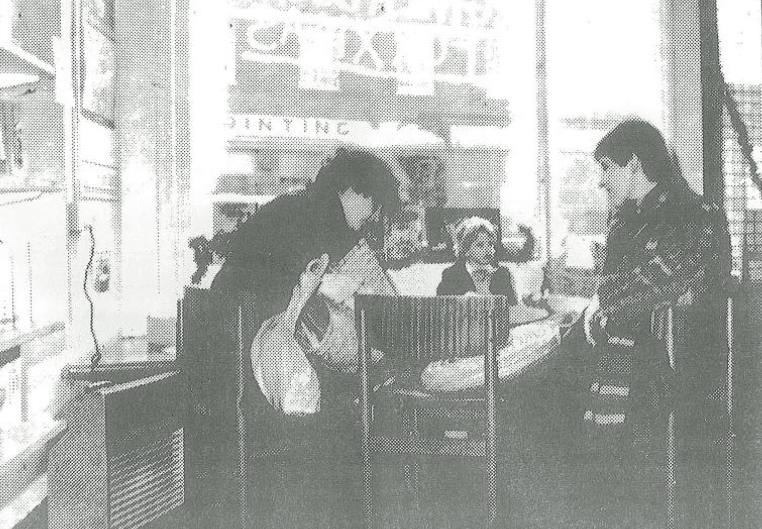
The Bookplace bookshop stood as a beacon of inclusivity, a space where literature, education, and activism converged to champion equality. In its day, it served as a safe haven for those often pushed to the margins of society—the working class, women, and the Black community. Far more than a retailer, the shop not only distributed their literature but created an environment where diverse voices could be heard, published, and celebrated. Read more at london1.one.
The Origins and Evolution of Bookplace
Founded in London in 1977 by John Willis and Tanya Witty, Bookplace was the fruit of long-term preparation and renovation work carried out entirely by volunteers, including local schoolchildren. The grand opening was attended by notable figures, including local councillor Ann Ward and MP Sam Silkin.
From the outset, Bookplace established itself as an integral player in the community’s educational and social life, rather than just a commercial outlet. It forged close ties with local schools, supplying books and reading lists, and even conducting anti-racist audits of school libraries. In their newsletters, the team highlighted children’s books that “offered alternatives to standard white middle-class characters.”
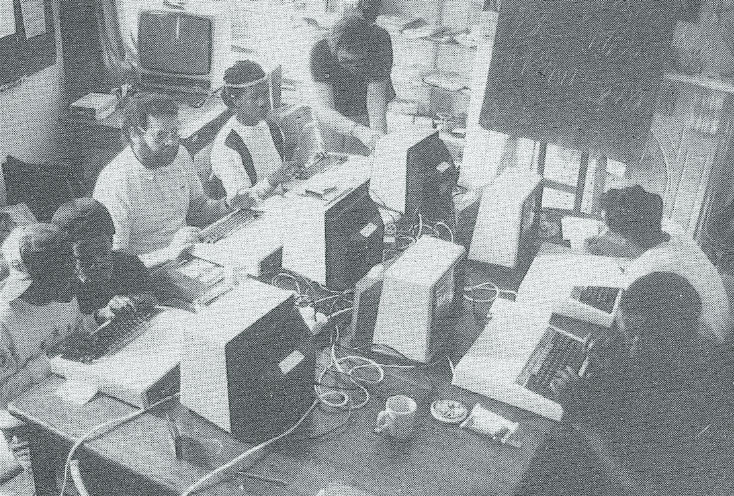
However, the scope of Bookplace extended well beyond selling books. The building quickly evolved into a radical community hub open to various social initiatives. The upper floor housed the Peckham Literacy Centre, which later became the base for other ventures—the Peckham Publishing Project and the Peckham People’s History group. These initiatives gave marginalised communities—Black people, the working class, and women—the platform to tell their own stories, publish them, and find their voice in the public sphere.
Bookplace was also known for organising regular community book fairs. These were festive affairs featuring brass bands, clowns, street theatre, and badge-making workshops. As one promotional poster promised: “Plenty of fun for adults and kids!”
In 1987, Bookplace faced an existential threat when the building was put up for auction following the abolition of the Greater London Council. The premises had been transferred to the London Residuary Body. The response was a fierce local campaign to save the shop. The community rallied, staging protests that included occupying Peckham High Street and bringing public transport to a standstill. Bowing to pressure, Southwark Council purchased the building, allowing the bookshop to continue its work.
Sadly, this victory was temporary. Despite efforts to keep it afloat, Bookplace closed its doors for good in 1996. The building was subsequently occupied by Lux Fabrics.
Legacy and Significance
Bookplace embodied the ideal of accessible, inclusive culture in London. It challenged silent exclusion by offering an alternative centre of knowledge where different histories, faces, and experiences took centre stage. The shop’s true revolutionary nature lay in its consistent dedication to diversity: through book sales, community events, adult education, and fostering self-realisation. It championed local authors, publishing everything from historical research and recipes to novels and children’s literature. In doing so, it created a vital space where everyone had the chance to be heard.