

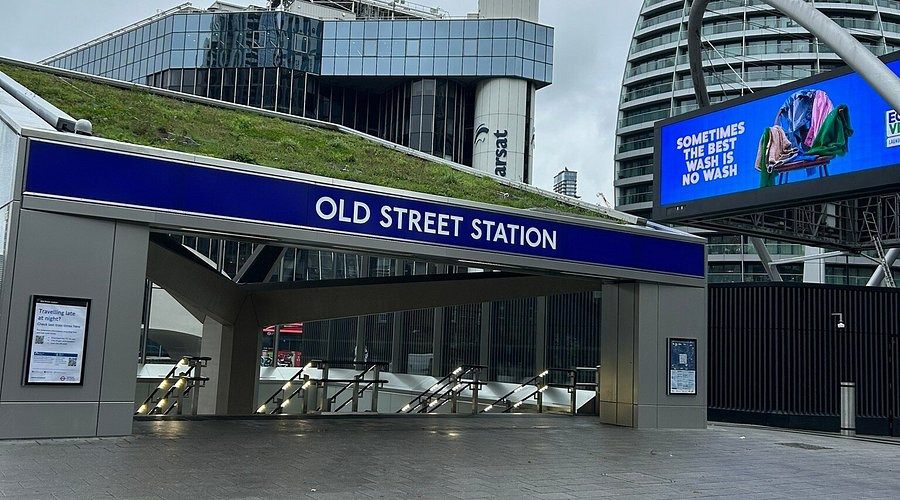
Silicon Roundabout is one of London’s most famous tech clusters, originally formed around the Old Street roundabout in the eastern part of the city. In the late 2000s, the neighborhood became a magnet for entrepreneurs, developers, designers, and digital startup founders, eventually evolving into a sprawling innovation hub known as Tech City. Its rapid rise drew the attention of international investors, global tech corporations, and venture capital funds, permanently reshaping the economic landscape of the British capital. In this article on london1.one, we explore how Silicon Roundabout emerged, the pivotal role government backing played in its ascent, and why East London became a cornerstone of Europe’s startup ecosystem.
The Origins of Silicon Roundabout: From Matt Biddulph’s Joke to the Startup Map
The story of Silicon Roundabout began in 2008 with a tongue-in-cheek nod to California’s Silicon Valley. Coined by British developer Matt Biddulph, the phrase was originally just an ironic remark highlighting the sudden concentration of technology ventures setting up shop in East London.

The joke soon took on a life of its own. Financial Times journalist Tim Bradshaw asked Biddulph to map out the local tech ventures. Biddulph plotted roughly 15 startups operating in the vicinity at the time, including Dopplr, Last.fm, Songkick, TweetDeck, Poke London, MOO, and LShift.
Once the map appeared on the FT’s blog, it quickly resonated with the local entrepreneurial community. Founders of other startups began reaching out, asking to be added to the list. What started as a modest snapshot of local digital businesses soon turned into a comprehensive roadmap of London’s startup ecosystem.
The moniker Silicon Roundabout quickly outgrew its satirical roots, cementing itself in the media and business landscape as the definitive name for the burgeoning tech community around Old Street in East London.
Catalysts Behind East London’s Tech Hub: The 2008 Financial Crisis and Affordable Rent
Paradoxically, one of the key catalysts behind the rise of Silicon Roundabout was the global financial crisis of 2008. The economic downturn upended both the commercial property market and the labor landscape, creating fertile ground for young technology ventures to take root around Old Street.

First and foremost, downsizing across traditional industries left swathes of office space vacant. Consequently, commercial real estate along the City Fringe became significantly more affordable. For fledgling startups running on shoestring budgets, low overheads and cheap rents proved to be decisive advantages.
At the same time, the financial sector was hit by massive layoffs. Skilled professionals from investment banks and financial institutions found themselves out of work or seeking a career pivot. Many decided to channel their expertise into entrepreneurship, joining forces with or launching innovative tech ventures.
Rapid technological shifts also played a pivotal role. The explosion of smartphones following the launch of the iPhone, the rapid growth of Android, accessible web development tools like WordPress, and the migration to cloud computing slashed the capital required to launch digital products. Building a viable startup no longer demanded a massive team or deep pockets.
London’s cosmopolitan appeal provided another distinct edge. The capital continuously attracted ambitious talent worldwide, and access to a global talent pool enabled startups to assemble agile, multicultural teams. As a result, Old Street became a bustling crossroads where entrepreneurs, coders, investors, and industry specialists converged.
Political Momentum: How David Cameron’s Government Championed Tech City
Until 2010, East London’s tech ecosystem grew organically from the bottom up. Startups clustered together, forged partnerships, swapped insights, and organically built a vibrant business community. In November 2010, however, this grassroots movement gained high-powered political backing.
British Prime Minister David Cameron unveiled the government’s Tech City initiative. Its overarching goal was to transform East London into a global hub for technology and innovation—Britain’s answer to Silicon Valley. The project stretched from the Old Street Roundabout all the way to the Olympic Park in Stratford.

Delivering a keynote speech in November 2010, Cameron outlined the government’s vision:
“Our ambition is to bring together the creativity and energy of Shoreditch and the incredible possibilities of the Olympic Park to help make East London one of the world’s great technology centres.”
In April 2011, the government established a dedicated body to oversee the cluster’s development: the Tech City Investment Organisation (TCIO). Operating under UK Trade & Investment, TCIO focused on attracting foreign direct investment, expanding global business networks, and branding East London as a premier destination for technology entrepreneurship.
Investing in Tech City London: Venture Capital, Big Tech, and World-Class Universities
As Silicon Roundabout gained traction, the East London tech hub broke free from its humble indie roots. It caught the eye of multinational tech giants, venture capital powerhouses, and institutional investors, all eager to capitalize on this dynamic innovation hub.
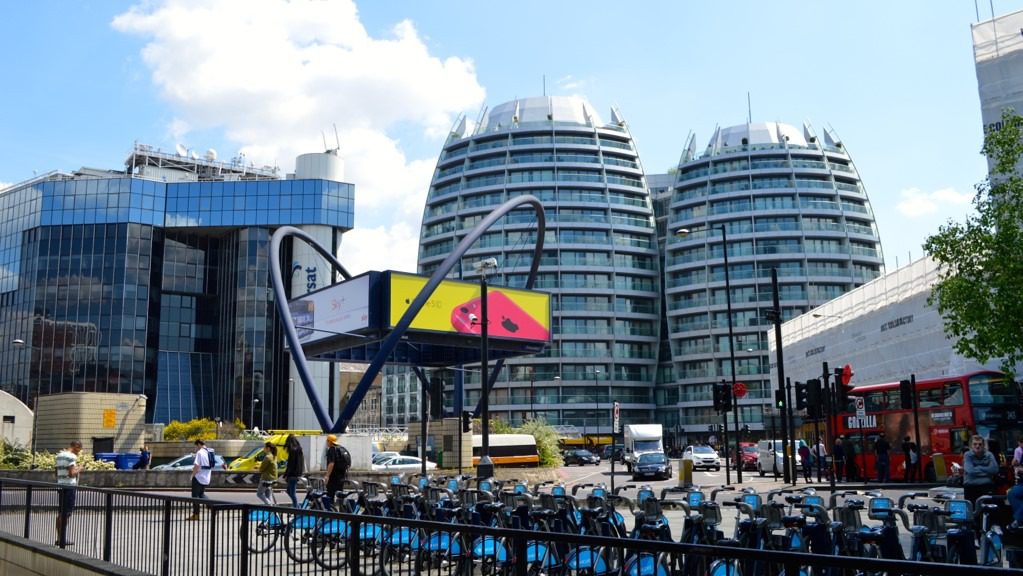
Major tech players establishing a footprint in the London ecosystem included Cisco Systems, Facebook, Google, Intel, Microsoft, Amazon, and Twitter. Prominent consulting and financial institutions, such as McKinsey & Company, alongside leading venture capital funds, also stepped in to drive growth.
World-class academic institutions served as another cornerstone of the cluster. Key academic partners embedded within London’s tech ecosystem included University College London (UCL), Imperial College London, City, University of London, Queen Mary University of London, and London Metropolitan University. They supplied an ongoing pipeline of top-tier talent, offered state-of-the-art research facilities, and fostered commercial partnerships between academia and industry.
Consequently, Silicon Roundabout grew into something far greater than a neighborhood phenomenon: it spearheaded London’s evolution into one of the world’s preeminent tech hubs, where global capital, academia, ambitious startups, and corporate heavyweights coalesce.
Coworking Spaces and Repurposed Warehouses: Shoreditch’s Spatial Density
The success of Silicon Roundabout was driven by more than just funding metrics and startup counts. A defining factor was the physical urban fabric of Shoreditch and the Old Street area, which cultivated a groundbreaking workplace culture and collaborative spirit.
A hallmark of the district was the creative reimagining of its industrial past. Disused factories, artisan workshops, and Victorian warehouses were transformed into dynamic office spaces. Rigid cubicle layouts gave way to open-plan offices, coworking spaces, and flexible studios. These setups suited agile IT teams perfectly, allowing them to scale quickly without incurring exorbitant commercial lease commitments.

Equally crucial was the concept of spatial density—the tight concentration of talent, businesses, and venues within walking distance. Founders could bump into prospective investors, exchange technical insights over coffee, recruit developers, or seal joint ventures without ever leaving a few neighboring blocks. These spontaneous, informal encounters accelerated knowledge sharing, built robust networks, and fueled rapid startup scaling.
Expansion East to Stratford: The Here East Campus and the Future of London Tech
Over time, East London’s technology ecosystem expanded well beyond its initial Old Street epicenter. A key frontier in this eastward expansion was Stratford. Following the London 2012 Olympic Games, the city repurposed former Olympic venues into forward-looking destinations for technology, education, and applied research.
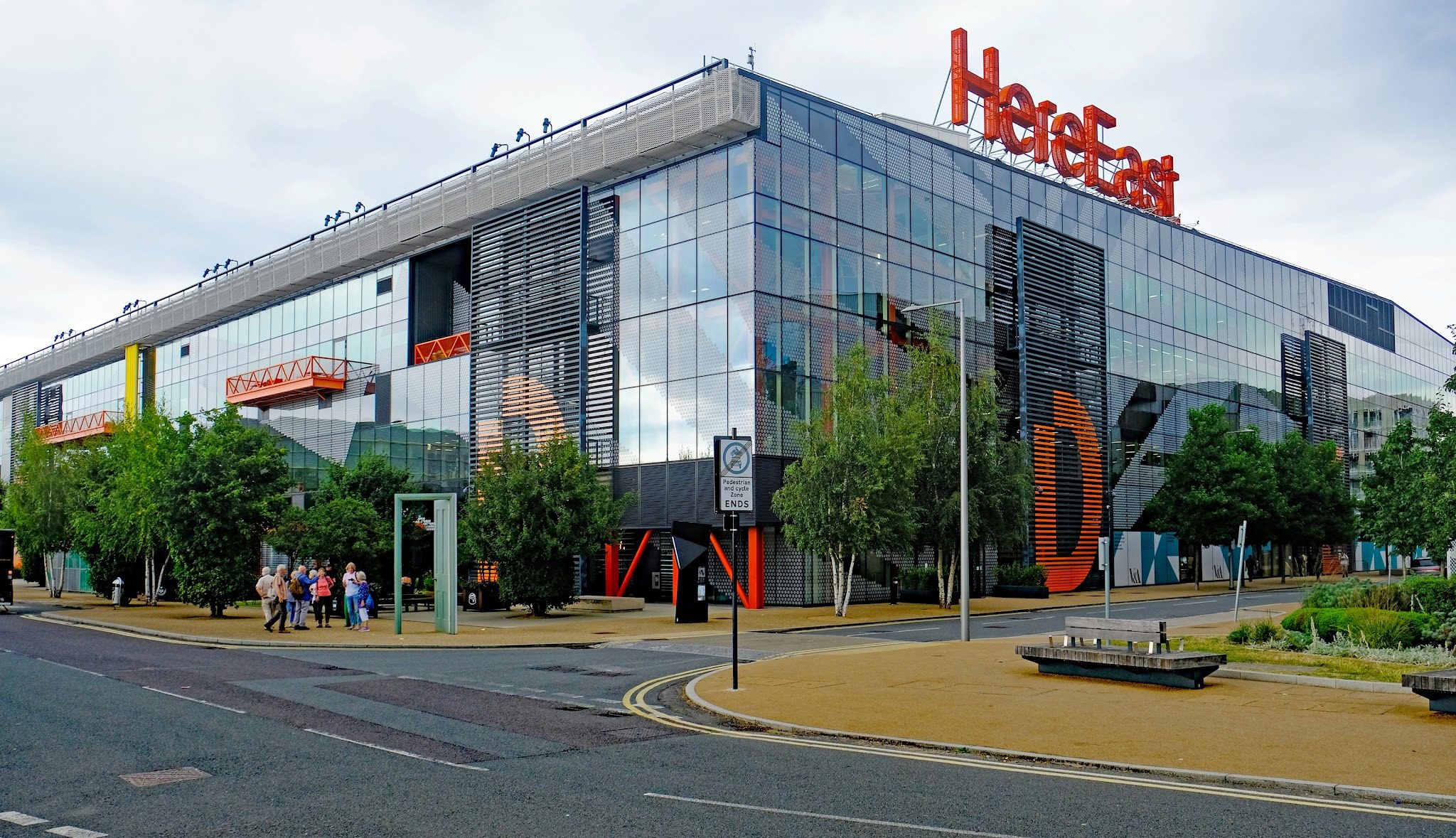
At the heart of this transformation is Here East, a massive tech and creative campus located within Queen Elizabeth Olympic Park. The facility houses university satellite faculties, advanced research centers, tech companies, and digital creators. Key focus areas span cutting-edge digital technologies, cybersecurity, esports, and broadcast media production. By blending academia, research, and enterprise, Stratford has firmly established itself as another vital engine of London’s innovation economy.
The London tech sector remains a cornerstone of the UK economy, showing remarkable resilience amid macroeconomic shifts and intense global competition. According to research from the Greater London Authority, London’s digital economy supported 554,300 jobs in 2023—a 12.8% increase compared to pre-pandemic 2019 levels. In 2024, the capital was home to approximately 61,700 digital enterprises, and by 2025, digital sector employment reached around 470,000 workers, up 5.1% year-on-year. These figures underscore the British capital’s enduring status as one of Europe’s premier capitals of digital enterprise.
The journey of Silicon Roundabout is the story of how an informal gathering of digital pioneers around an unglamorous roundabout evolved into a world-class innovation ecosystem spanning across East London. Its triumph was driven by relentless entrepreneurial drive, flexible workspaces, an influx of international talent, venture investment, and targeted government support. In the process, what began as a witty remark has transformed into a globally recognized emblem of Britain’s digital economy.