

Marks & Spencer (M&S) is one of Britain’s most iconic retail brands, with a story that began in the late 19th century at a modest market stall in Leeds. Its founders, Michael Marks and Thomas Spencer, turned a small trading venture into a vast chain of stores renowned for clothing, food, and an unwavering commitment to quality. For over 140 years, the company has reshaped retail practices, influenced British shopping habits, and become a cornerstone of the nation’s high street history. In this article on london1.one, we explore how Marks & Spencer began, the role its founders played in its growth, and how the brand earned international acclaim.
Founding Marks Penny Bazaar in Leeds: Michael Marks’s Retail Vision
The story of the future Marks & Spencer retail empire began in 1884 in Leeds, England. Its founder was Michael Marks, a Jewish immigrant born in Slonim, in modern-day Belarus. Arriving in Britain with little capital and limited English, he looked for ways to earn a living. Marks initially found work in Leeds before securing permission to trade at the open-air Kirkgate Market.
His first stall was humble: he laid out haberdashery and everyday odds and ends on a simple wooden trestle table. Above it hung a sign reading Marks Penny Bazaar, alongside a slogan that came to define his entire retail concept:
“Don’t ask the price, it’s a penny.”
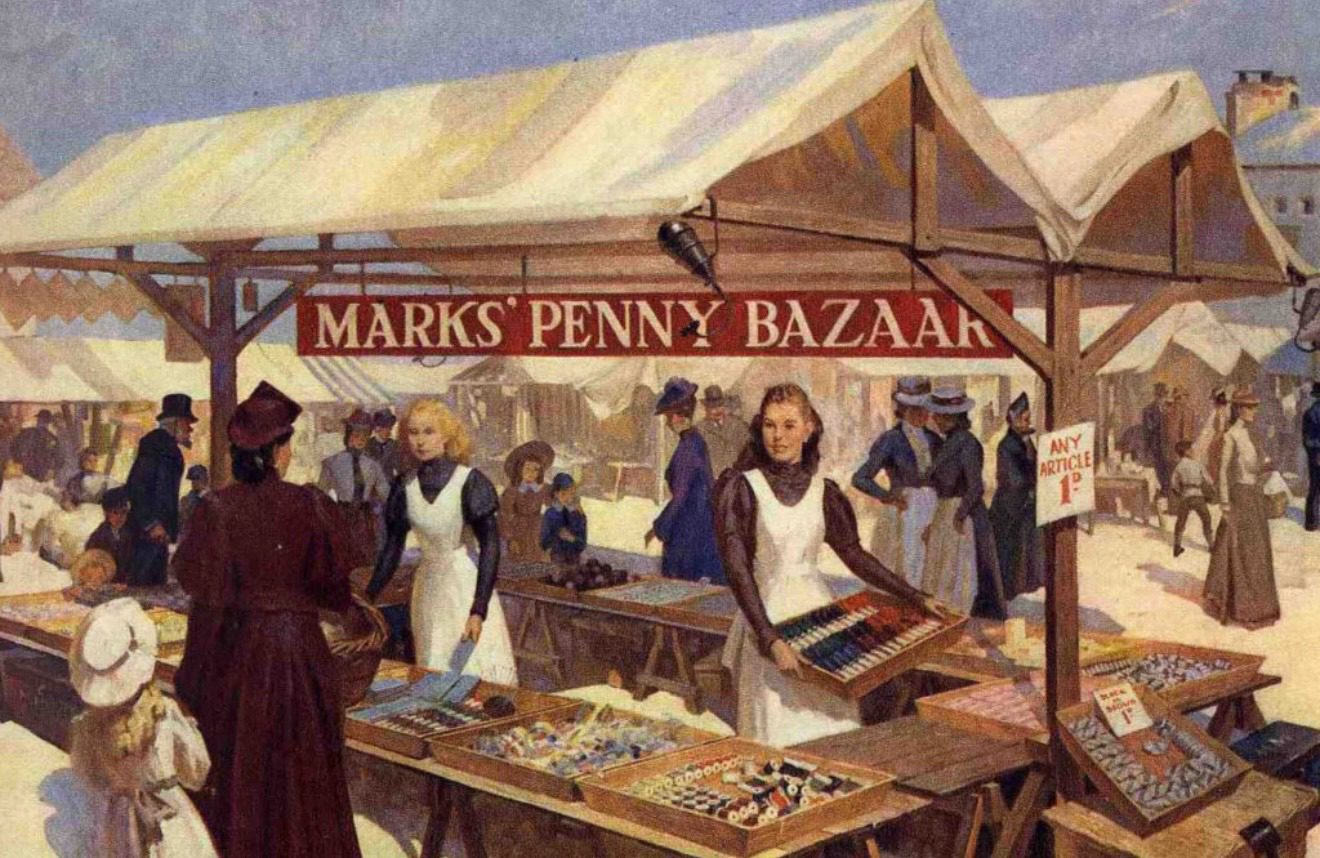
For Victorian England, this approach was groundbreaking. Instead of traditional haggling and having to ask the shopkeeper the cost of every single item, Marks introduced a clear, fixed price of one penny. Shoppers were free to browse, pick up goods, and choose what they needed without any awkward negotiations with the seller.
His stock consisted of affordable everyday essentials: needles, pins, nails, screws, soap, wooden spoons, wool, and small toys. This retail model quickly won over local shoppers. As demand grew, Marks focused exclusively on items costing no more than a penny. His thriving venture soon allowed him to expand and move to a permanent pitch inside the covered market.
Michael Marks and Thomas Spencer Join Forces: Partnership and the Birth of M&S
By the early 1890s, Michael Marks’s business was booming, requiring fresh investment and stronger management to sustain its growth. In 1894, he offered a partnership to Thomas Spencer, a senior cashier at Dewhirst, a wholesale textile firm.
Spencer invested his personal savings into the joint venture. Together, they formed Marks & Spencer, a company destined to become one of Britain’s most celebrated retailers.
The partners divided responsibilities according to their strengths. Marks focused on expanding the network of stalls and sourcing goods on the ground, while Spencer oversaw administration, finances, and bulk purchasing.
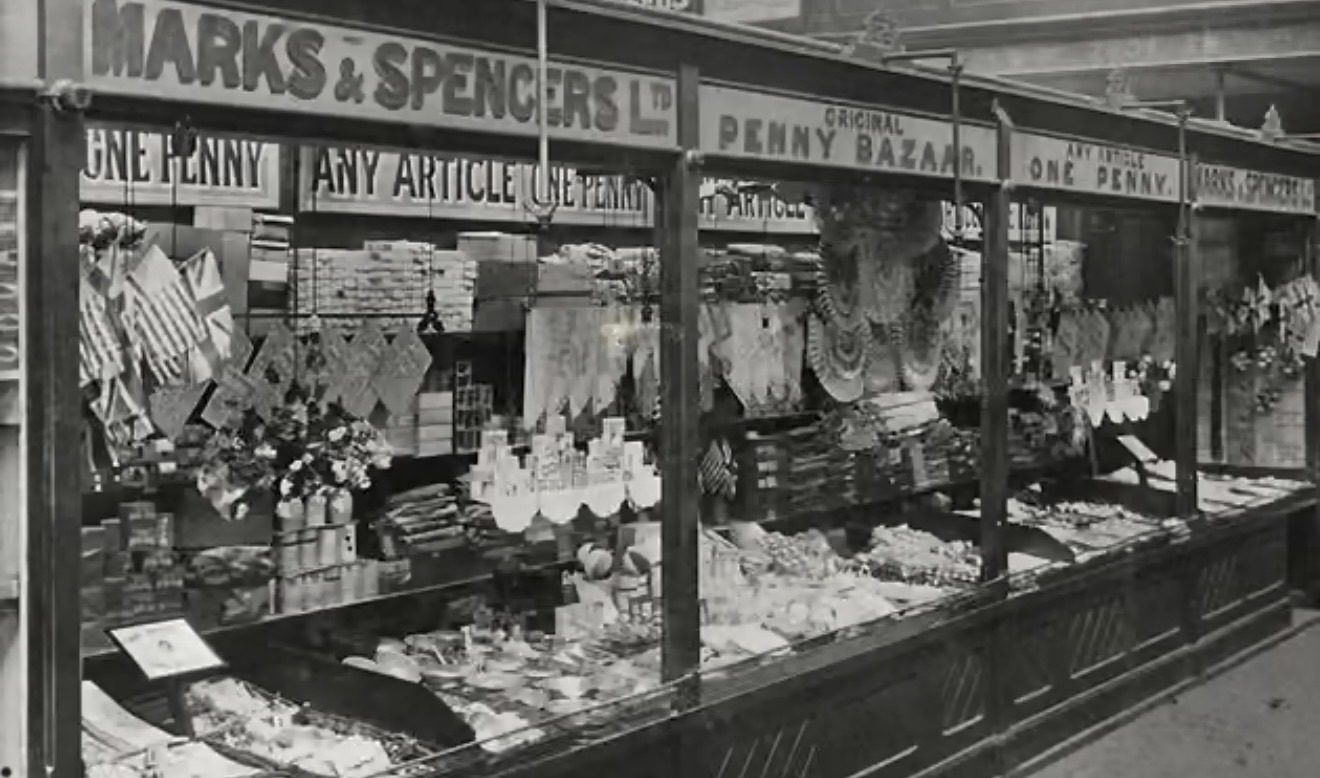
The business soon outgrew Leeds, with the partners opening market stalls in towns across England. In 1897, they established their own warehouse in Manchester. The next major milestone was moving into bricks-and-mortar retail: in 1904, the first full-fledged Marks & Spencer store opened in Leeds. Today, a golden memorial clock at Leeds Kirkgate Market commemorates this chapter of history.
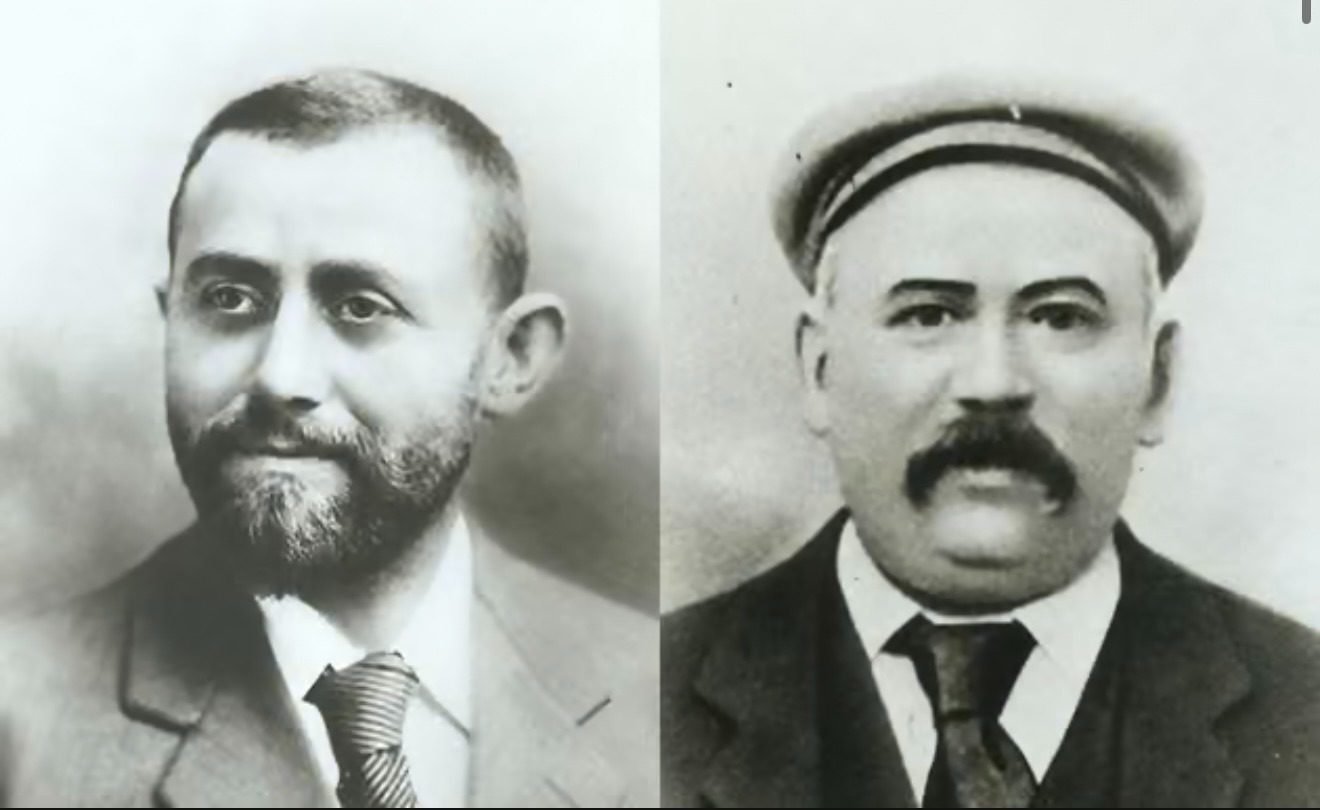
Neither founder lived to see their enterprise grow into a nationwide retail giant. Thomas Spencer passed away in 1905, followed by Michael Marks in 1907. Yet the business model they built laid a rock-solid foundation for the company’s future expansion.
Simon Marks’s Leadership and the Story of the St Michael Brand
Following the deaths of the founders, Marks & Spencer was initially run by trustees. In 1916, Michael Marks’s son, Simon Marks, took the helm. Leading the business for 56 years, he played a pivotal role in transforming the family enterprise into a major retail powerhouse. He was joined in management by Israel Moses Sieff. Together, the partnership between the Marks and Sieff families forged the leadership team that steered the brand’s development for decades.
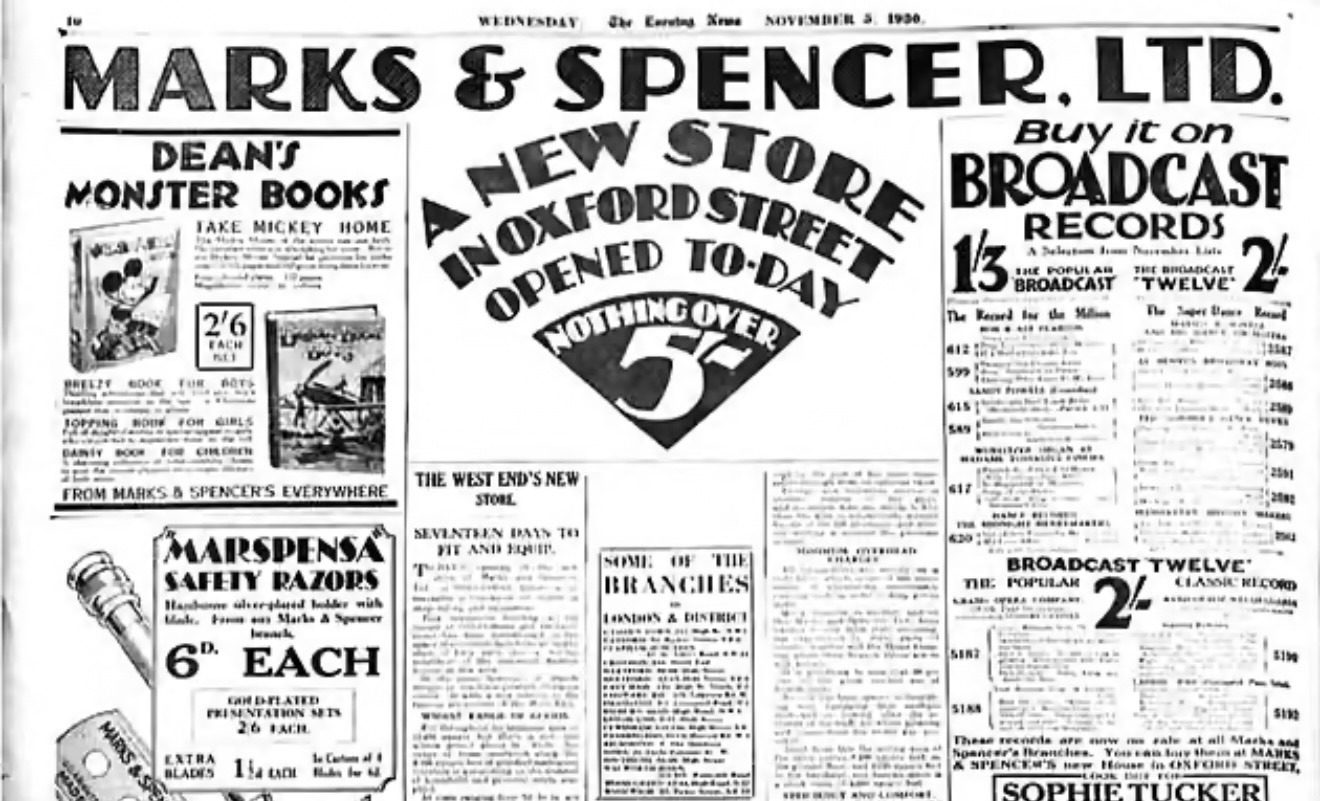
In 1924, Marks & Spencer relocated its headquarters to London. Two years later, it became a public limited company, unlocking new avenues for raising capital and accelerating growth.
Another landmark moment came with the creation of an own-label range. In 1928, Marks & Spencer registered the St Michael brand in honour of founder Michael Marks. Serving as the company’s hallmark of quality, the label was reserved for goods that met strict manufacturing standards. For shoppers, St Michael gradually became an unmistakable symbol of trust in Marks & Spencer products.
Expanding the Marks & Spencer Range: Clothing and Food
Although Marks & Spencer originally traded mainly in small haberdashery items, the company eventually looked beyond its initial offering. Expansion happened step by step, keeping pace with changing consumer habits and shopper demand.
In 1926, stores introduced textiles and clothing. This category soon became a cornerstone of the brand’s business model and a primary engine of its commercial success.
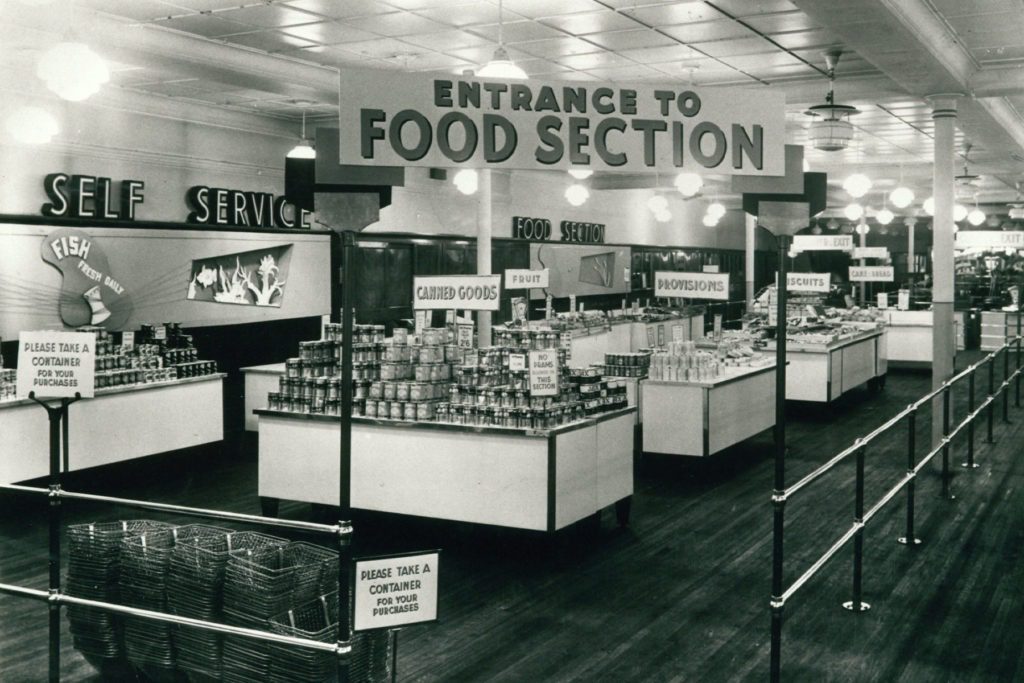
Entering the grocery market was the next logical move. In 1931, Marks & Spencer began selling food, steadily evolving into a one-stop department store where customers could pick up not only clothing and household goods, but also fresh everyday groceries.
By the eve of the Second World War, the chain had reached an impressive scale. In 1939, it operated 234 stores employing more than 17,000 people, with an annual turnover of £23.45 million.
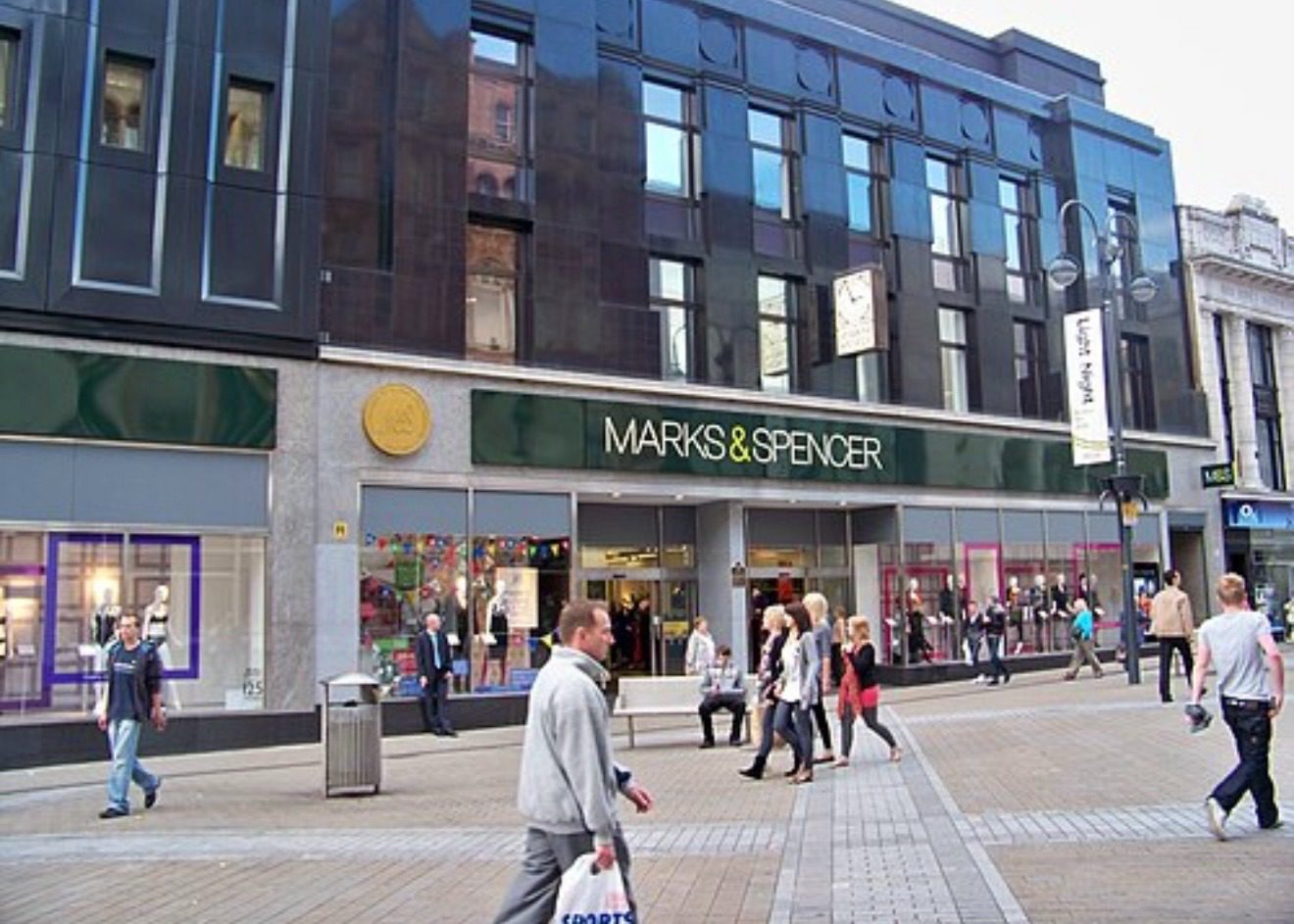
Its largest flagship branches offered a wide array of goods across up to 20 specialised departments. Alongside clothing and footwear, shoppers could buy gramophone records, toys, tableware, homeware, and groceries. Smart diversification helped Marks & Spencer cement its status as a leading force on the British high street.
British Quality and the Path to National Acclaim
Throughout the 20th century, Marks & Spencer shaped its business model around close cooperation with domestic manufacturers. Long-term partnerships with local factories enabled the company to oversee production processes and maintain consistent quality standards. Over time, the brand became synonymous with classic British style and reliability.
Marks & Spencer clothing won a loyal following not only among everyday shoppers, but also among prominent public figures—most notably British Prime Minister Margaret Thatcher, who regularly bought outfits from the retailer.
Meanwhile, the chain continued to modernise its stores and broaden its geographic footprint. In the 1970s, fitting rooms were introduced in branches to make clothes shopping far more convenient. In 1979, Marks & Spencer expanded into the Republic of Ireland, opening a store on Mary Street in Dublin.
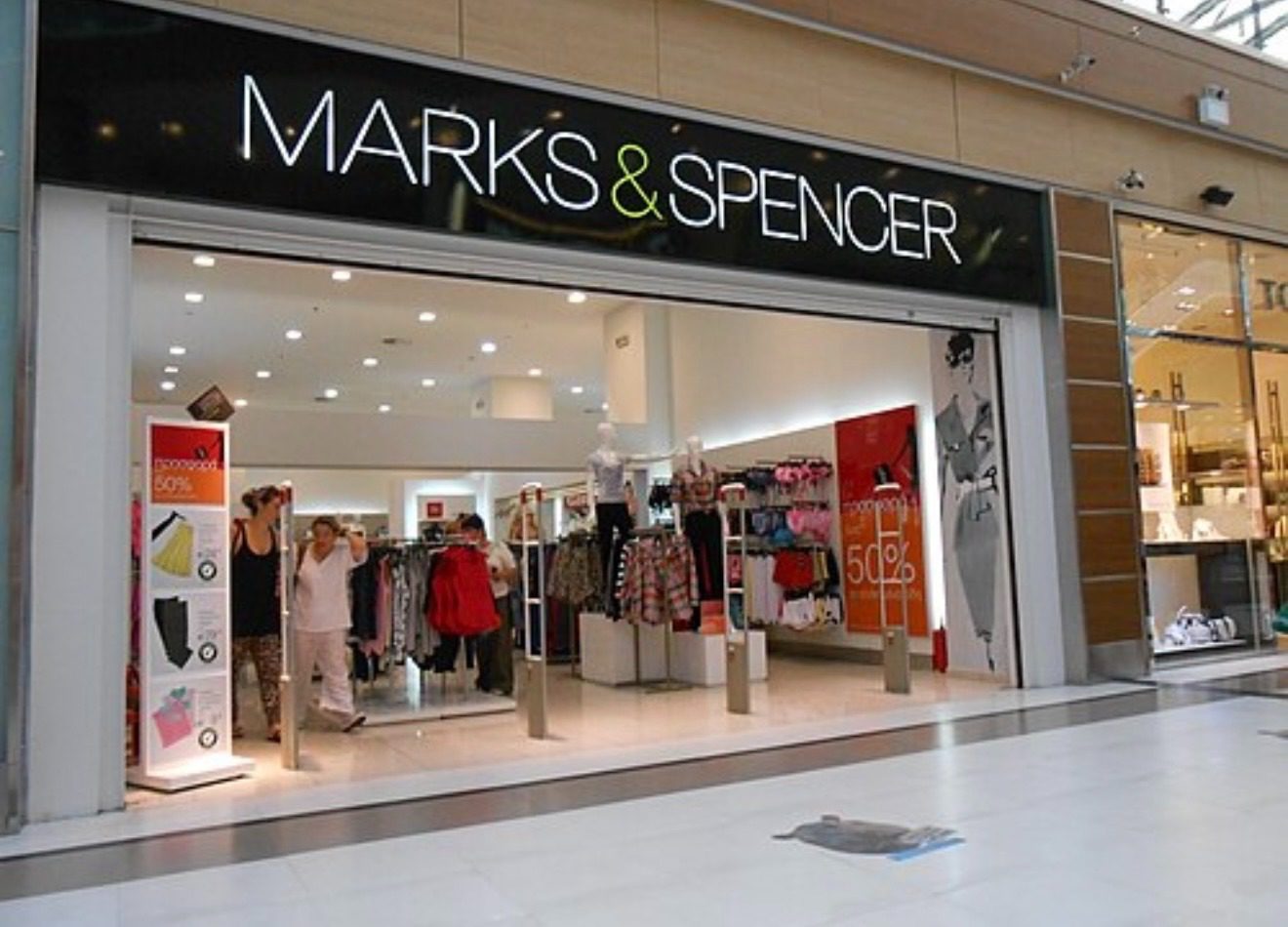
Today, Marks & Spencer remains one of Britain’s most recognisable retail names. Operating across clothing, food, and homeware retail, the company still relies heavily on its home market for its financial performance.
The story of Marks & Spencer is a classic example of how a simple idea, honest hard work, and an eye for genuine customer needs can turn a humble penny stall into a multinational empire. Eastern European immigrant Michael Marks and British bookkeeper Thomas Spencer established principles that remain just as relevant today: transparent pricing, respect for the shopper, strict quality control, and constant innovation.